




Understanding autism spectrum disorder
Autism Spectrum Disorder (ASD) is a complex neurodevelopmental condition that affects individuals across a broad spectrum, leading to diverse strengths and challenges in various areas of life. Here is an overview to enhance understanding:
Core characteristics of ASD
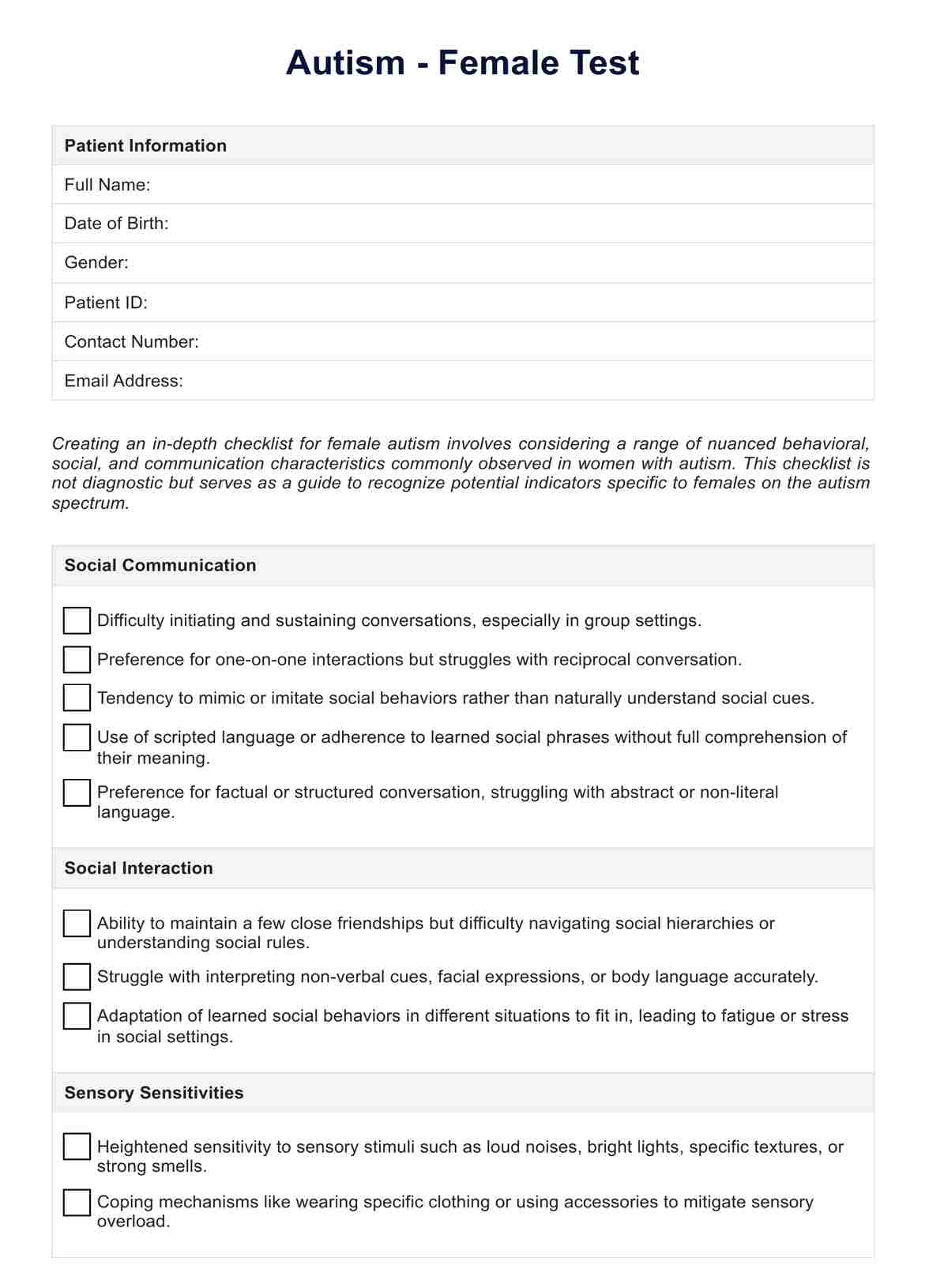
Social and communication challenges:
- Individuals with ASD often experience difficulties in social interactions and communication. This can manifest as challenges in understanding and using verbal and nonverbal cues, such as facial expressions and gestures.
Repetitive behaviors and interests:
- Common traits include repetitive behaviors, routines, and intense focus on specific interests. This may consist of repetitive movements, adherence to routines, and a strong preference for particular topics or activities.
Sensory sensitivities:
- Many individuals with ASD have heightened sensitivities or, conversely, reduced sensitivity to sensory stimuli. This can involve light, sound, touch, taste, or smell sensitivity.
Spectrum variability
Diversity of presentation:
- ASD is a spectrum, meaning that individuals can present with a wide range of abilities and challenges. Some individuals may have exceptional skills in certain areas, such as mathematics or art while facing significant difficulties in others.
Individualized experiences:
- Each person with ASD is unique, and there is no one-size-fits-all description. Understanding and supporting individuals with ASD requires recognizing and respecting their strengths, challenges, and preferences.
Diagnosis and early intervention
Early identification:
- Early diagnosis and intervention play a crucial role in supporting individuals with ASD. Recognition of developmental differences in early childhood enables timely interventions to enhance communication, social skills, and adaptive behaviors.
Multidisciplinary approach:
- Diagnosis involves a comprehensive assessment by professionals, including psychologists, developmental pediatricians, and speech therapists. A multidisciplinary approach ensures a thorough understanding of an individual's strengths and challenges.
Support strategies
Individualized education plans (IEPs):
- In educational settings, individualized plans are created to accommodate the unique learning styles and needs of students with ASD. Tailored interventions, accommodations, and support services aim to facilitate academic and social success.
Therapeutic interventions:
- Behavioral therapy, speech therapy, and occupational therapy are commonly utilized interventions. These therapies focus on improving social skills, communication, and adaptive behaviors.
Advocacy and acceptance
Promoting inclusion:
- Advocacy for inclusion and acceptance is vital. Creating environments that embrace neurodiversity fosters a sense of belonging and enhances the well-being of individuals with ASD.
Ongoing learning:
- Continuous learning about ASD helps dispel myths and misconceptions. Education and awareness contribute to creating supportive communities that celebrate the unique strengths of individuals with ASD.
Understanding ASD involves recognizing the diversity within the spectrum and promoting an inclusive and supportive society that values and respects the contributions of every individual.









