Types of bronchitis
Bronchitis can be categorized into two main types: acute and chronic. Each type has distinct characteristics, causes, and treatment approaches.
Acute bronchitis
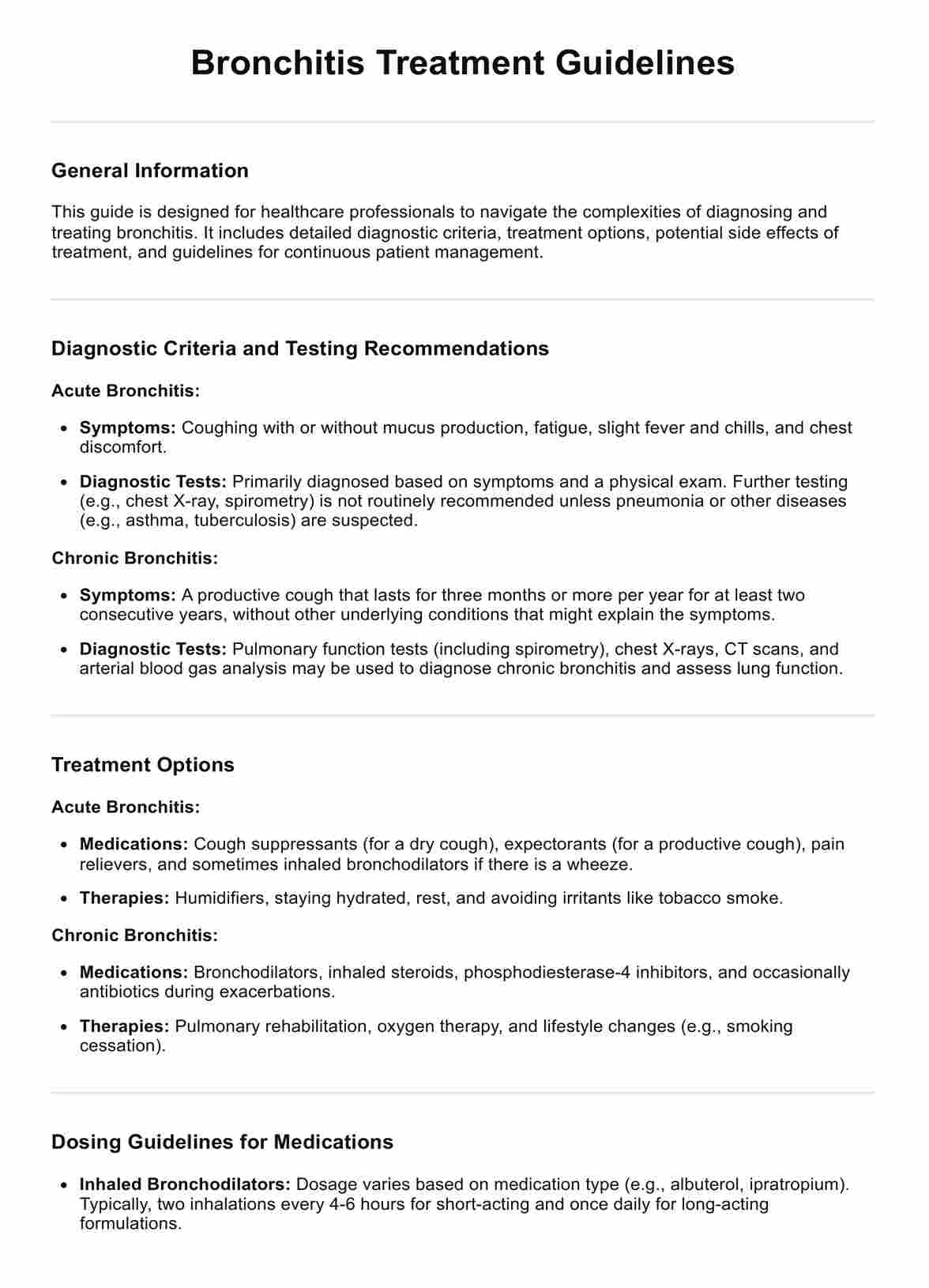
Acute bronchitis is a shorter-term inflammation of the bronchial tubes and is often called a chest cold. It typically develops from a cold or other lower respiratory tract infection and is quite common. The main symptom is a cough, which may bring up clear, white, yellowish-gray, or green mucus. Other symptoms can include wheezing, chest tightness, and slight fever.
In most cases, acute bronchitis resolves within 10 to 14 days, although the cough may linger for several weeks afterward. Viral infections are the primary cause of acute bronchitis, but bacteria can also be a culprit in rare cases. Treatment of acute bronchitis usually focuses on symptom relief, such as increased fluid intake, rest, and, if necessary, over-the-counter cough suppressants and pain relievers.
Chronic bronchitis
Chronic bronchitis is a more serious, long-term condition characterized by persistent inflammation of the lining of the bronchial tubes, leading to a constant cough that produces mucus for at least three months in a year for two consecutive years. It is one of the conditions grouped under chronic obstructive pulmonary disease.
Chronic bronchitis develops over time, and its primary cause is long-term exposure to irritants that damage the lungs and airways, with cigarette smoke being the most common. Other irritants include air pollution, dust, and chemical fumes from the environment or workplace.
Unlike acute bronchitis, which resolves relatively quickly, chronic bronchitis requires ongoing management. Treatments aim to relieve symptoms, reduce the severity and frequency of flare-ups, and improve quality of life. This may include quitting smoking, using inhaled steroids, and taking bronchodilators to widen the airways.