
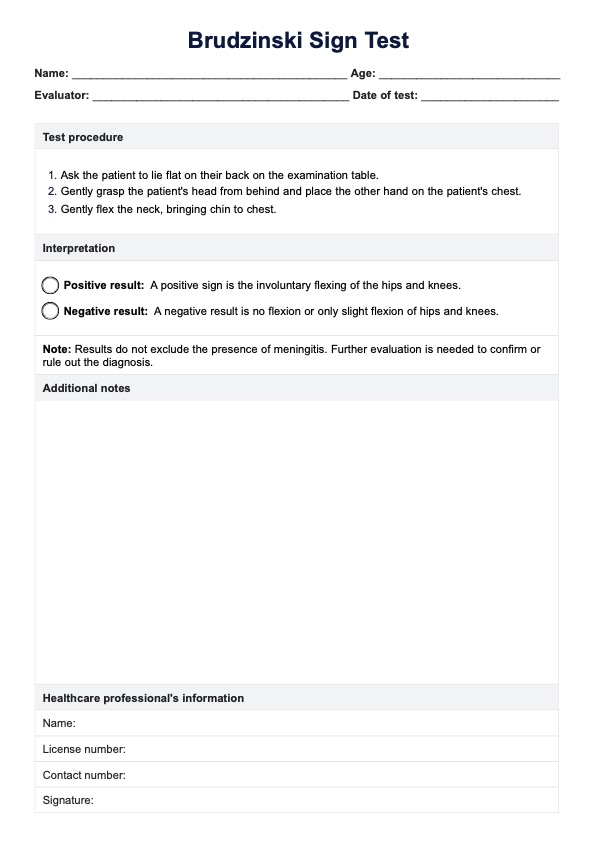




What is meningitis?
Meningitis is a serious medical condition characterized by inflammation of the membranes, called meninges, surrounding the brain and spinal cord. This inflammation is typically caused by an infection of the fluid surrounding the brain and spinal cord. Although it can affect anyone, it is most prevalent in infants, young children, and adolescents.
Symptoms of meningitis
The symptoms physical signs of meningitis can develop quickly and may include:
- High fever
- Severe headache
- Stiff neck
- Sensitivity to light (photophobia)
- Nausea and vomiting
- Confusion and difficulty concentrating
- Seizures
- Sleepiness or difficulty waking up
- Skin rash (sometimes, such as in meningococcal meningitis)
Early detection and treatment of these symptoms are critical as meningitis can rapidly become life-threatening.
Causes of meningitis
Meningitis can be caused by various infectious agents, including:
- Bacterial infections: These are the most severe forms of meningitis and can be life-threatening. Common bacteria that cause meningitis include Neisseria meningitidis, Streptococcus pneumoniae, and Haemophilus influenzae Type-B.
- Viral infections: Often less severe than bacterial meningitis, viral meningitis can be caused by enteroviruses, herpes simplex virus, and others.
- Fungal infections: This is less common and tends to occur in people with weakened immune systems, such as those with HIV/AIDS or cancer.
- Parasitic infections: These are rare but can occur.
- Non-infectious causes: Certain drugs, cancers, systemic diseases, and other conditions may also cause meningitis.









