
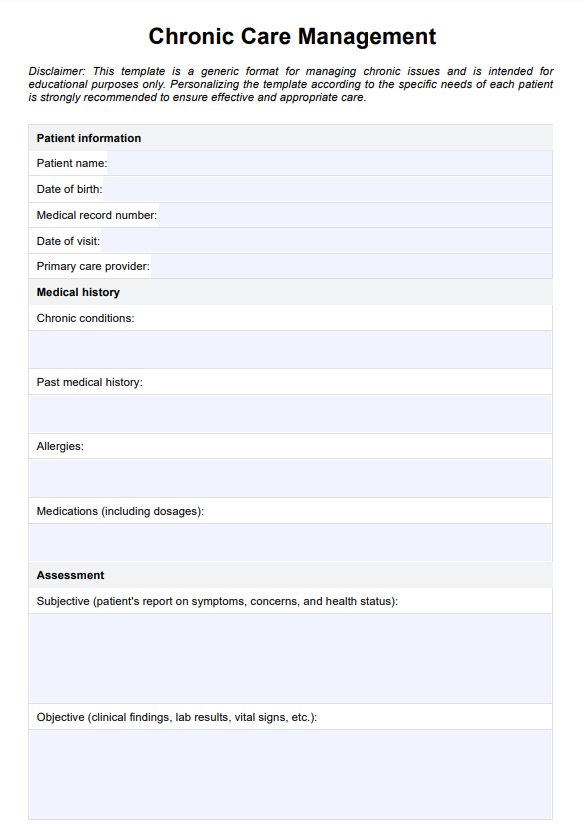




The importance of chronic care management
Chronic care management (CCM) plays a vital role in supporting individuals with long-term health conditions. It is a structured approach that healthcare providers use to improve the quality of life for individual patients dealing with chronic illnesses such as chronic obstructive pulmonary disease (COPD), diabetes, and heart disease. By offering comprehensive chronic care management programs, healthcare professionals ensure that patients receive continuous care, addressing all aspects of their chronic health conditions.
One of the key elements of chronic care management is helping patients manage multiple conditions over time. This involves medication management, regular check-ins, and personalized care plans that help reduce the complications associated with chronic illnesses. Effective care management helps control the progression of a patient's chronic conditions and improves patient outcomes by lowering the risk of hospitalizations and emergency visits.
Furthermore, chronic care management ensures that patients receive coordinated care from various healthcare providers, offering a holistic approach to treatment. This coordination is particularly beneficial for individuals with multiple chronic health conditions, ensuring their treatments are aligned and continuously monitored. Ultimately, chronic care management fosters better communication, reduces healthcare costs, and improves patients' overall quality of life.









