
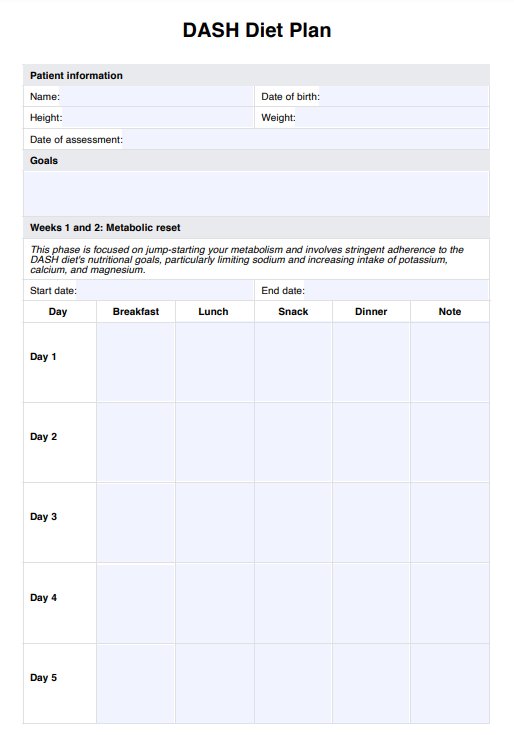




What is the DASH diet?
The DASH, stands for Dietary Approaches to Stop Hypertension, diet is a research-backed eating plan designed primarily to reduce high blood pressure and support heart health (Onwuzo et. al., 2023). Verified by pivotal studies like the PREMIER trial (Lien et. al., 2007), DASH sodium study (Svetkey, 1999), and OmniHeart trial (American College of Cardiology, 2024), the DASH diet has proven effective not only in managing hypertension but also in mitigating risks associated with heart failure, dyslipidemia, and other metabolic conditions. This heart-healthy eating style emphasizes increased intake of whole grains, fruits, vegetables, and low-fat dairy products while reducing the consumption of fats, red and fatty meats, and sugar-sweetened beverages.
Central to the DASH eating plan is the moderation of dietary sodium and the inclusion of food groups rich in potassium, calcium, and magnesium—key nutrients known to aid in blood pressure control (National Heart, Lung, and Blood Institute, 2021). Medical professionals recognize such dietary approaches to stop spiking blood pressure. It also improves lipid profiles, notably lowering low-density lipoprotein (LDL) and triglyceride levels, although changes in high-density lipoprotein (HDL) and total cholesterol are less pronounced.
The diet's low content of saturated fat and its focus on balanced nutrition make it a preferred choice for patients at risk of cardiovascular diseases. It has demonstrated a significant decrease in the estimated 10-year cardiovascular disease risk by about 13%. In clinical practice, integrating the DASH diet can be a fundamental strategy to promote long-term health, lose weight, and prevent diet-related diseases.









