
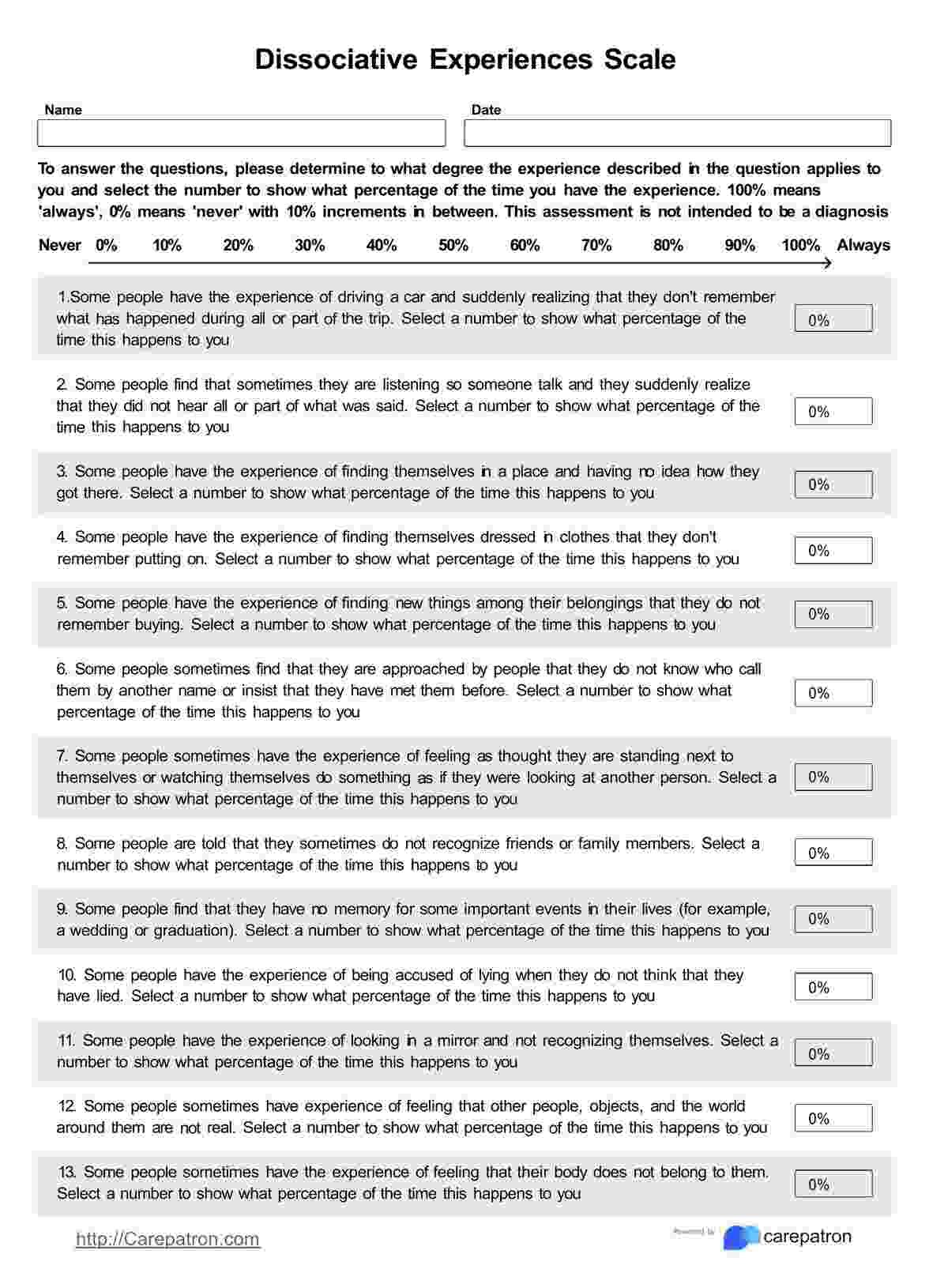




What are dissociative disorders?
Dissociative disorders are a group of conditions characterized by disruptions or breakdowns in various aspects of memory, awareness, identity, and perception. These disorders involve a disconnect between thoughts, emotions, memories, behaviors, and sense of self. The key feature of dissociative disorders is the presence of dissociative symptoms, which can range from mild to severe.
Dissociative disorders can develop as a coping mechanism in response to traumatic or highly stressful experiences, such as abuse, neglect, or other forms of trauma. However, it's important to note that not all individuals who experience trauma develop dissociative disorders.
The most well-known dissociative disorder is Dissociative Identity Disorder (DID), previously known as Multiple Personality Disorder. Other dissociative disorders include Dissociative Amnesia, Depersonalization/Derealization Disorder, and Other Specified Dissociative Disorders (American Psychiatric Association, 2013).
Healthcare practitioners need to be aware of and recognize the signs and symptoms of dissociative disorders, as they can have a significant impact on an individual's daily functioning and well-being.
What are the symptoms of dissociation?
Dissociative symptoms may include the following:
- Amnesia or memory gaps: Individuals may experience periods of time where they cannot remember a past event or other important events.
- Depersonalization: Feeling detached from one's own thoughts, feelings, or body with events happening outside oneself. This can cause one to ignore pain and other bodily sensations, affecting how one functions in daily life.
- Derealization: One might suddenly realize how they perceive the world around them as unreal, dreamlike, or distorted.
- Identity confusion or fragmentation: Dissociative phenomena involve experiencing a disruption in one's sense of identity or having distinct states differently from how one typically thinks or behaves.
- Dissociative fugue: Temporarily losing one's sense of personal identity and impulsively wandering or traveling away from home.









