
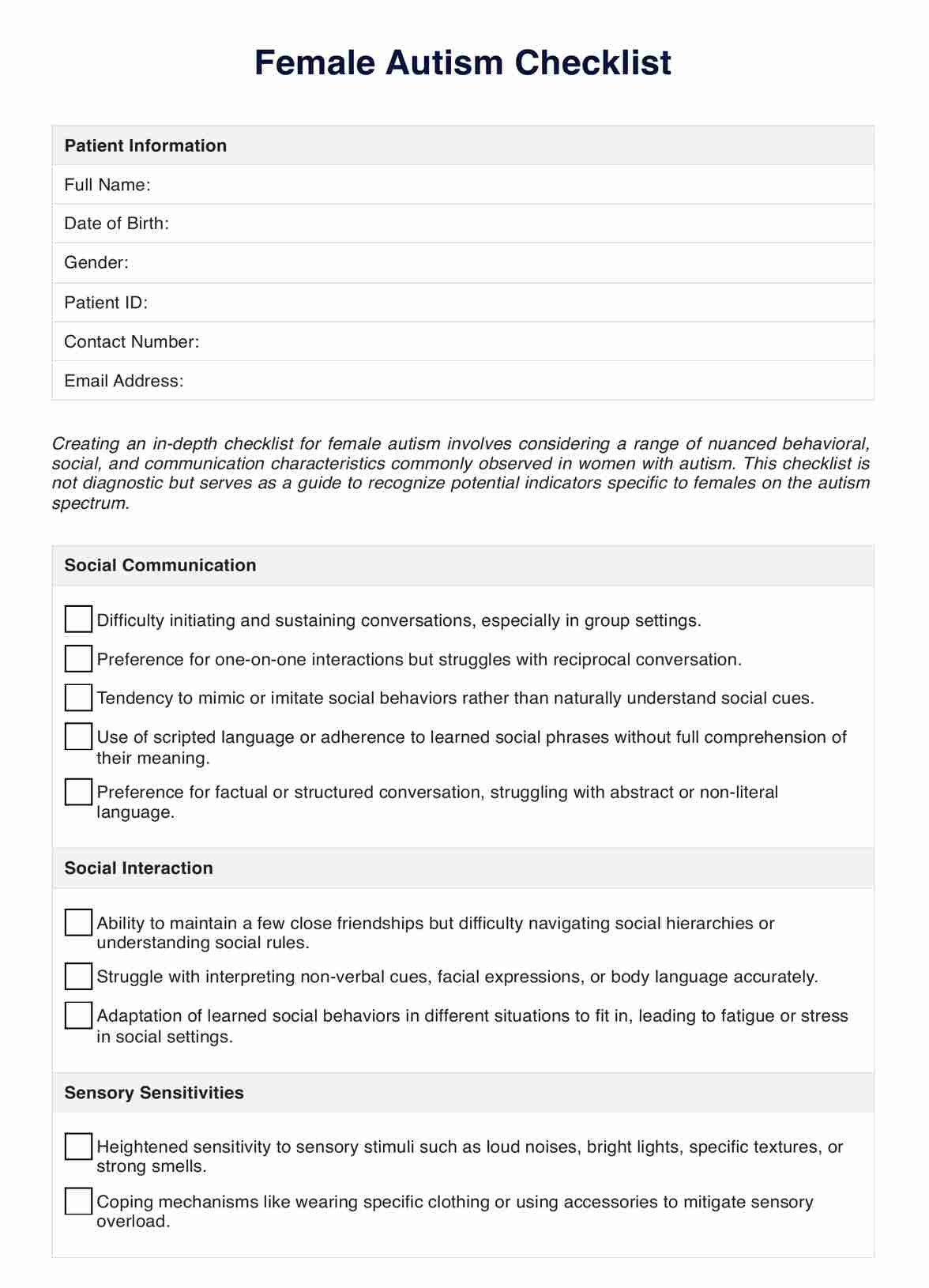




Introduction to autism spectrum disorder
Autism Spectrum Disorder (ASD) is a complex neurodevelopmental condition that encompasses a broad range of challenges, characterized primarily by difficulties in social communication and interaction, alongside restricted interests and repetitive behaviors. This condition, often referred to as autism, affects individuals in diverse ways, presenting a spectrum of strengths, abilities, and challenges that vary widely among those diagnosed.
One of the defining features of autism is its early onset, typically emerging in infancy or early childhood. However, the specific signs and symptoms can manifest differently in each individual. Some children may display noticeable differences in social interaction, struggling with maintaining eye contact, understanding non-verbal cues, or engaging in reciprocal conversation. Others may exhibit repetitive behaviors, strict adherence to routines, or intense interest in specific topics.
The diagnostic criteria for autism involve carefully observing a person's behaviors and interactions across various contexts. Professionals consider social communication deficits, repetitive behaviors, and the impact of these traits on daily functioning when diagnosing ASD. Over the years, the criteria for diagnosing autism have evolved, encompassing a broader understanding of the spectrum and the diverse ways it presents in different individuals.
Autism is not solely defined by its challenges; individuals with ASD often possess unique strengths and talents. Some individuals demonstrate exceptional abilities in specific areas, such as mathematics, music, art, or pattern recognition. Embracing and nurturing these strengths can significantly improve their well-being and social integration.
Understanding and supporting individuals with autism requires a comprehensive approach, considering their needs and strengths. Early intervention, educational support tailored to individual requirements, and therapies focusing on social skills, communication, and behavior management play crucial roles in enhancing the quality of life for those with ASD.
The experience of autism extends beyond the individual diagnosed; it significantly impacts families, caregivers, and communities. Advocacy, awareness, and acceptance are fundamental in creating inclusive environments that accommodate and celebrate the diversity of neurodiverse individuals.
Autism, with its intricacies and variations, underscores the importance of recognizing and appreciating neurological diversity. A better understanding of ASD fosters empathy, support, and opportunities for individuals on the spectrum to thrive and contribute uniquely to the world around them.









