
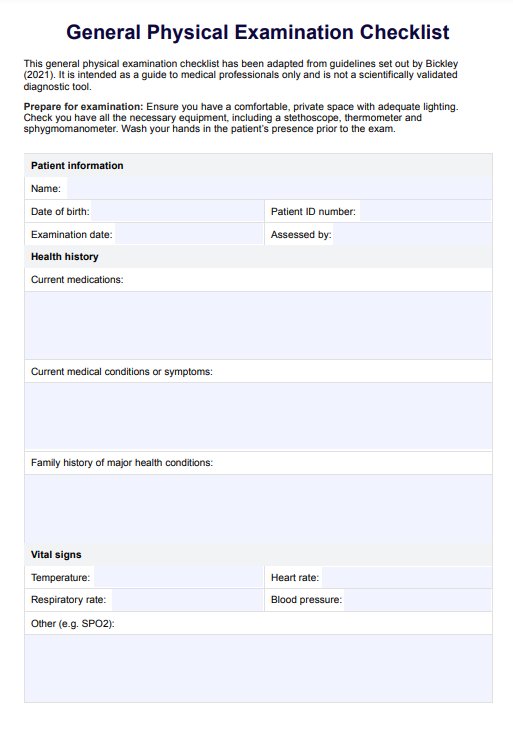




What is a general physical exam?
A general physical exam is a comprehensive medical assessment conducted by a healthcare professional to evaluate an individual's overall health and well-being. This examination is a fundamental component of preventive healthcare and is typically performed during a routine check-up, an annual physical exam, or when a patient presents with non-specific symptoms.
The primary goal of a general physical exam is to detect early signs of medical issues and potential health risks to facilitate timely intervention and management. It is also useful as a baseline measure of well-being that a medical professional can use to monitor health over time.
During a general physical exam, a patient's primary care provider thoroughly evaluates cardiovascular, respiratory, gastrointestinal, musculoskeletal, and neurological body systems. It involves a detailed examination of the head, eyes, ears, nose, and throat and an assessment of the skin, lymph nodes, and vital signs such as blood pressure, heart rate, and respiratory rate.
Depending on the patient's age and sex, the primary care physician may also other preventative screenings such as a routine breast exam, pelvic exam or pap smear or testicular exam. Often, blood tests (such as a comprehensive metabolic panel) will be conducted to assess metabolic markers of good health.
In addition to the physical exam, the healthcare provider may inquire about the patient's medical history, including past illnesses, surgeries, medications, and family medical history. It is important to record family history and potential risk factors to create a comprehensive picture of the individual's health.









