Research & Evidence
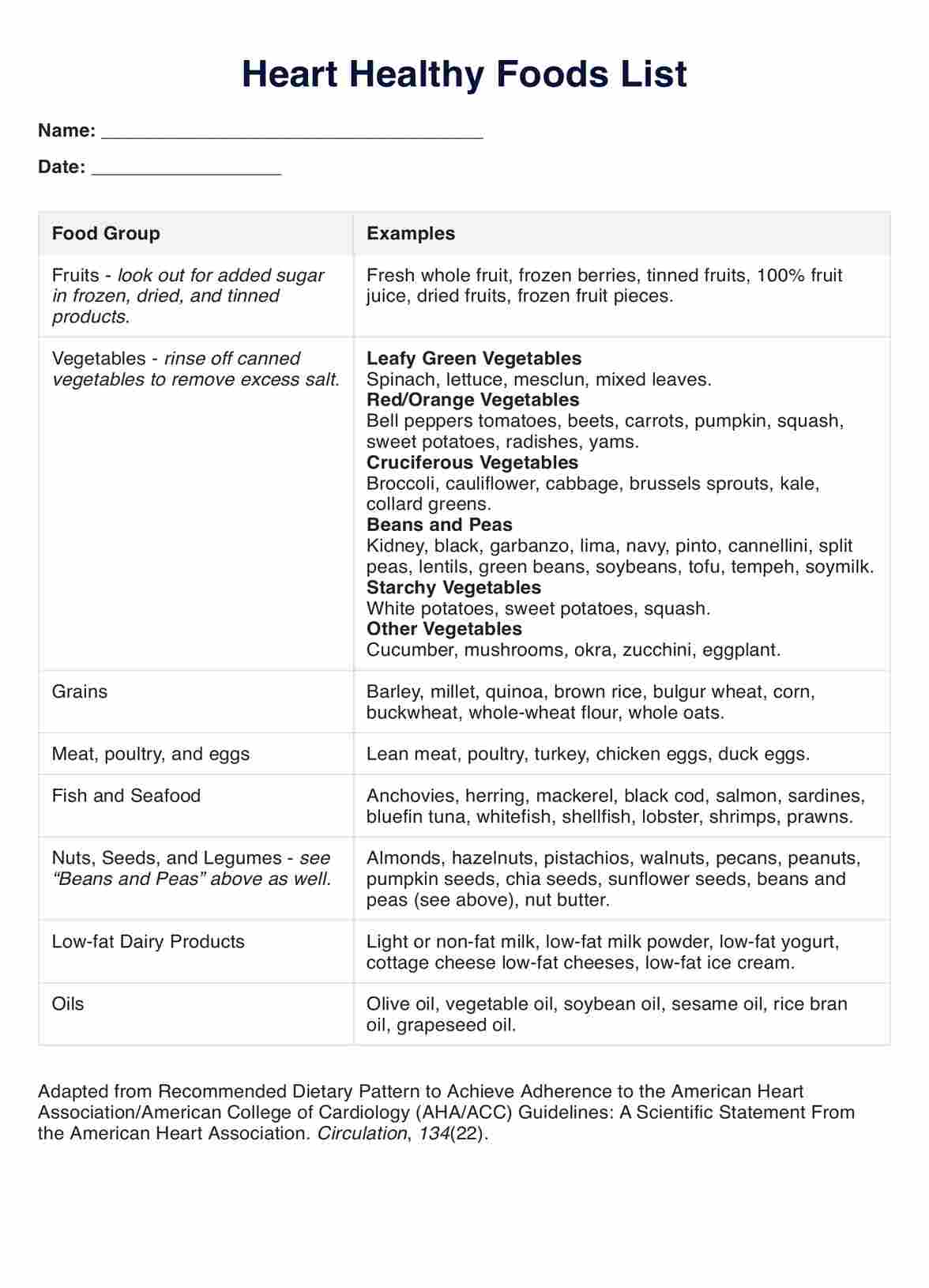
It can be easy to fall into the trap of eating the same foods repeatedly or reaching for the quickest, often sodium-packed option in a pinch, but research shows that various vegetables and plant-based protein sources are critical to achieving the best possible health outcomes. To understand why this is the case, look at each food subcategory in this Heart-Healthy Foods List.
Fruit and Vegetables
It should come as no surprise that the first two food subgroups in this Heart Healthy Foods List are fruits and vegetables. A wealth of research supports the inclusion of fruits and vegetables in a heart-healthy diet, but you may have yet to learn that these can be fresh, frozen, dried, or canned (Van Horn et al., 2016).
Leafy Green Vegetables
Blekkenhorst et al. (2018) systematically reviewed studies investigating the association between eating leafy green vegetables, such as spinach or lettuce, and cardiovascular disease. They found that the majority of studies included demonstrated a protective effect.
Hung et al. (2004) found that among US nurses, participants were 0.83 times as likely to develop cardiovascular disease for each one serving increment of leafy green vegetables. This protective effect is thought to arise from the nutrients and phytochemicals contained within leafy green vegetables, particularly dietary nitrate (Weitzberg & Lundberg, 2013).
Red/Orange Vegetables
Red and orange vegetables, such as carrots, pumpkin, or bell peppers, contain carotenoids like lutein, which have been shown to benefit cardiometabolic health (Leermakers et al., 2016).
Protein Sources
Pan et al. (2012) found that consuming red meat and processed meat increased the risk of cardiovascular mortality and that replacing one serving of red meat with one serving of fish, poultry, nuts, legumes, low-fat dairy, or whole grains reduced this mortality risk.
Seafood, particularly oily fish, is recommended one to two times a week to reduce the risk of cardiovascular diseases (Rimm et al., 2018). Plant-based protein sources such as nuts and seeds are also included in a heart-healthy diet due to their beneficial effect in reducing coronary heart disease (Satija et al., 2017). However, these should be consumed in moderation due to their caloric density.
Dairy foods provide protein, fats, essential vitamins, and minerals and have been shown to reduce the risk of major cardiovascular disease, stroke, and cardiovascular mortality (Dehghan et al., 2018).
Wholegrains
Wholegrains such as barley, millet, quinoa, corn, brown rice, or bulgur wheat are rich sources of dietary fiber. This food group has one of the largest recommended portions, with over three servings recommended per day, depending on your energy expenditure.
However, it’s not just fiber that whole grains offer, as they have also been linked with a reduced risk of coronary heart disease and a reduction in all-cause mortality (Aune et al., 2016).
From the evidence and the research-based recommendations of reputable organizations such as the American Health Association and the American College of Cardiology, it is clear that each food group is an integral part of a heart-healthy diet.