
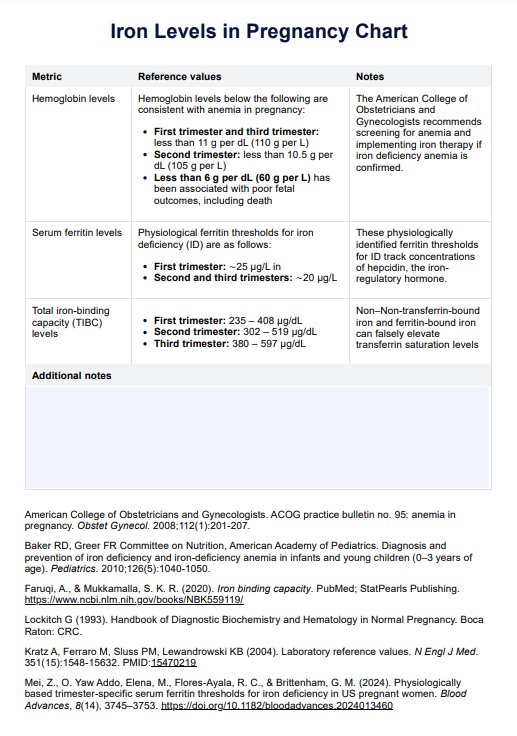




Importance of monitoring iron levels during pregnancy
Monitoring iron levels during pregnancy is crucial due to the increased demand for iron to support the growing fetus and placenta, as well as to expand the mother's red blood cell mass. Pregnant women require significantly more iron than non-pregnant women, and Abu-ouf & Jan (2015) estimated and suggested that up to 52% of pregnant women may be affected by iron deficiency anemia globally. This deficiency can lead to serious health complications, including low birth weight, premature delivery, and developmental delays in infants.
Routine iron supplementation is recommended to prevent anemia, as dietary intake alone often fails to meet the heightened iron requirements during pregnancy. The Centers for Disease Control and Prevention (CDC) (1998) advises all pregnant women to begin iron supplementation early in their prenatal care. Regular monitoring of iron levels helps ensure adequate maternal and fetal health, reducing the risk of adverse outcomes associated with iron deficiency.









