
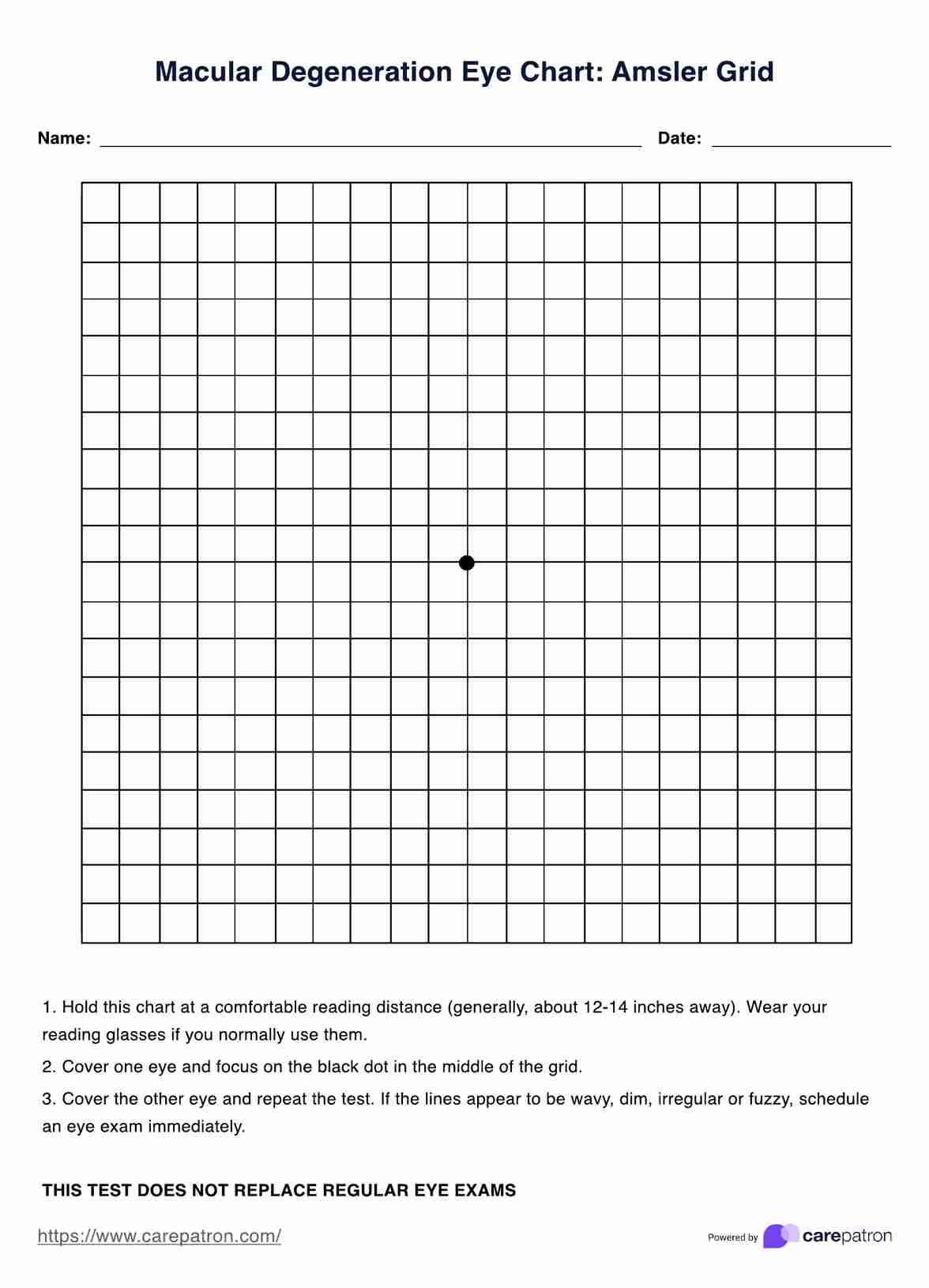




What is macular degeneration?
Macular degeneration is a progressive eye condition that primarily affects the central part of the retina called the macula, responsible for sharp and detailed vision. This degenerative disorder is characterized by the deterioration of the macular cells, leading to a loss of central vision while peripheral vision remains intact.
There are two main types of macular degeneration: dry and wet. Dry macular degeneration is more common and occurs when the light-sensitive cells in the macula break down, causing the formation of small yellow deposits called drusen. Over time, these drusen can accumulate and lead to a gradual loss of vision. Wet macular degeneration, though less common, is more severe. It involves the growth of abnormal blood vessels beneath the macula, which can leak blood and fluid, causing rapid and severe central vision loss.
Age-related macular degeneration (AMD) is the most prevalent form, often affecting individuals over the age of 50. Genetic factors, smoking, high blood pressure, and a family history of the condition are among the risk factors associated with its development.
Early detection and regular eye examinations are crucial in managing macular degeneration. Treatment options vary depending on the type and severity of the condition. There is no cure for dry macular degeneration, but lifestyle changes such as a healthy diet rich in nutrients, quitting smoking, and protecting the eyes from harmful UV rays may help slow its progression. Wet macular degeneration can be treated with therapies such as anti-VEGF injections to reduce the growth of abnormal blood vessels.









