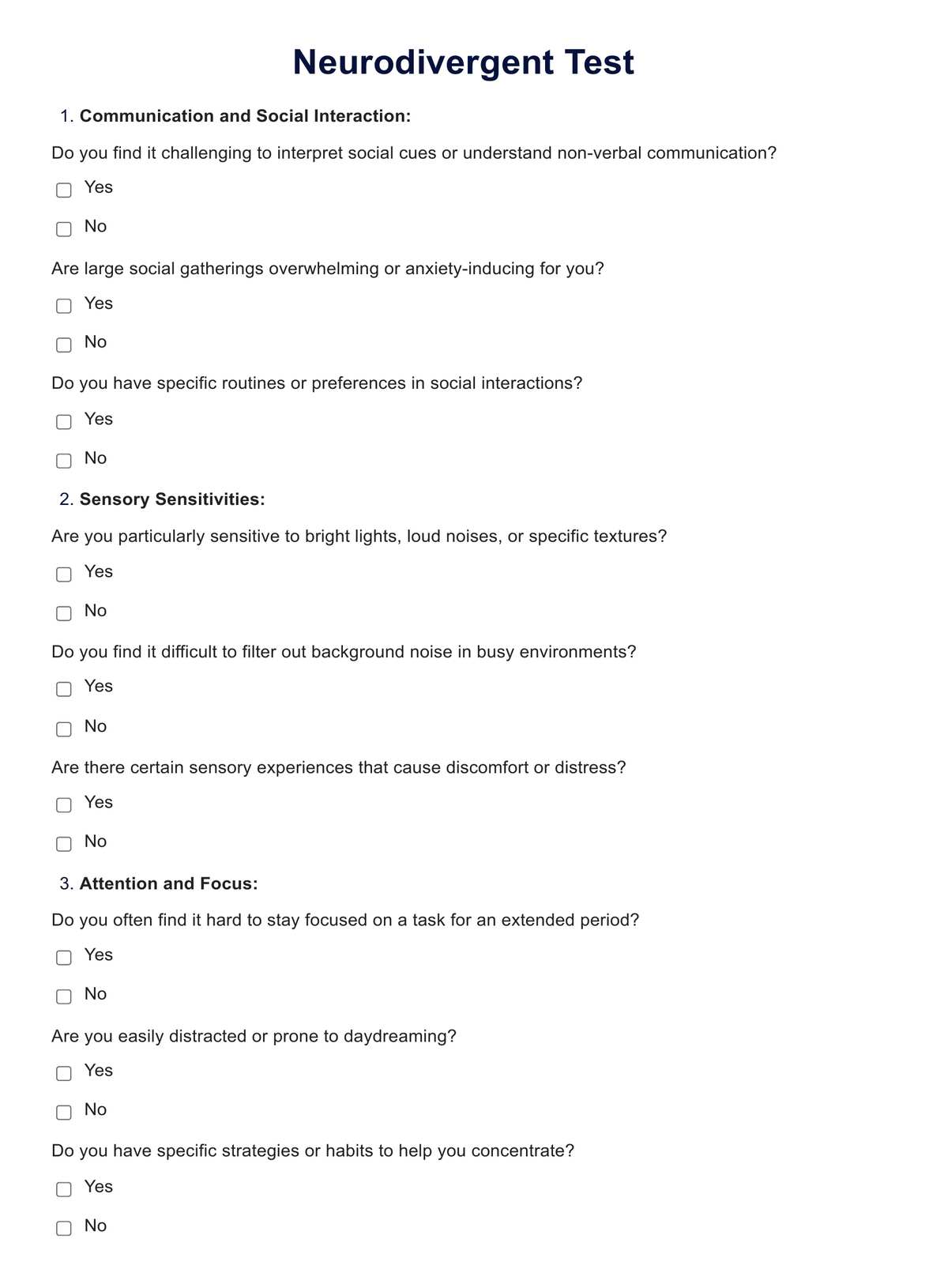




What is neurodiversity?
Neurodiversity is an umbrella term that recognizes and celebrates the natural variation in neurological and brain functioning, even among individuals. Developed by sociologist Judy Singer in the late 1990s, the term challenges the traditional view of neurological differences as disorders, emphasizing that diverse neurological conditions are natural variations of the human brain. Neurodiversity asserts that neurological differences, common conditions such as autism, ADHD, dyslexia, and others, are not inherently pathological but contribute to and answer many disparities within human cognition.
This paradigm shift advocates for acceptance and inclusion, promoting the idea that neurodivergent individuals bring unique strengths, perspectives, and talents to society. Rather than focusing solely on treating or normalizing differences, the neurodiversity movement calls for creating environments that accommodate and appreciate diverse cognitive styles. It encourages a shift from a deficit-based model to one that recognizes the value of cognitive diversity and fosters an inclusive society where everyone can thrive.
By embracing the concept of neurodiversity, society moves towards a more equitable and understanding approach to neurological differences, challenging stigmas and fostering environments that celebrate the strengths inherent in diverse ways of thinking and processing information. Neurodiversity is about acknowledging differences and advocating for the rights, dignity, and equal opportunities for all individuals, regardless of their neurocognitive profiles.