
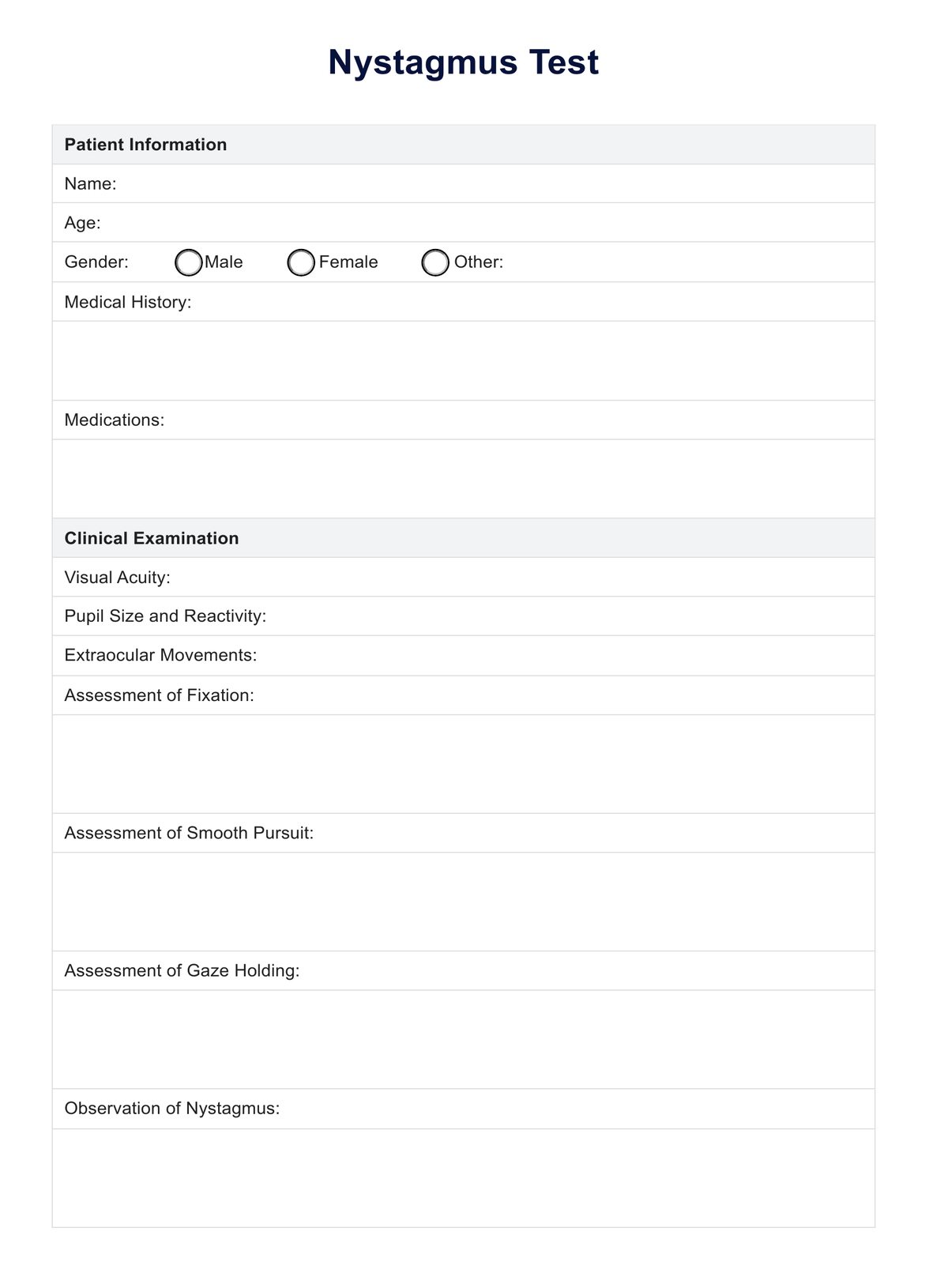




What is a Nystagmus Test?
A Nystagmus Test, also known as the Horizontal Gaze Nystagmus (HGN) Test, is a standard field sobriety test utilized by law enforcement officers during DUI arrests to assess alcohol impairment. This test focuses on involuntary jerking of the eyes, called horizontal gaze nystagmus, which can indicate alcohol impairment.
During the test, the police officer observes the suspect's eyes as they track a moving object horizontally. The officer looks for three clues: lack of smooth pursuit, the distinct onset of nystagmus before maximum deviation, and the onset of nystagmus before 45 degrees. These clues suggest impairment due to alcohol consumption.
Nystagmus is a medical term for involuntary, rapid, and jerking eye movements. Various factors, including inner ear disorders, head injuries, or medical conditions, can cause it. The HGN test specifically targets the horizontal gaze nystagmus test, where the eyes exhibit jerking movements as they reach the maximum deviation.
For accurate assessment, the test requires standardized procedures and careful observation by the police officer. Equal tracking and equal pupil size are essential factors to consider during the test, ensuring reliable results.
Although the HGN field sobriety test often provides valuable evidence for determining probable cause during a DUI arrest, it is not conclusive proof of alcohol impairment on its own. Other standardized field sobriety tests may be conducted to corroborate the findings.









