




What is orthorexia nervosa?
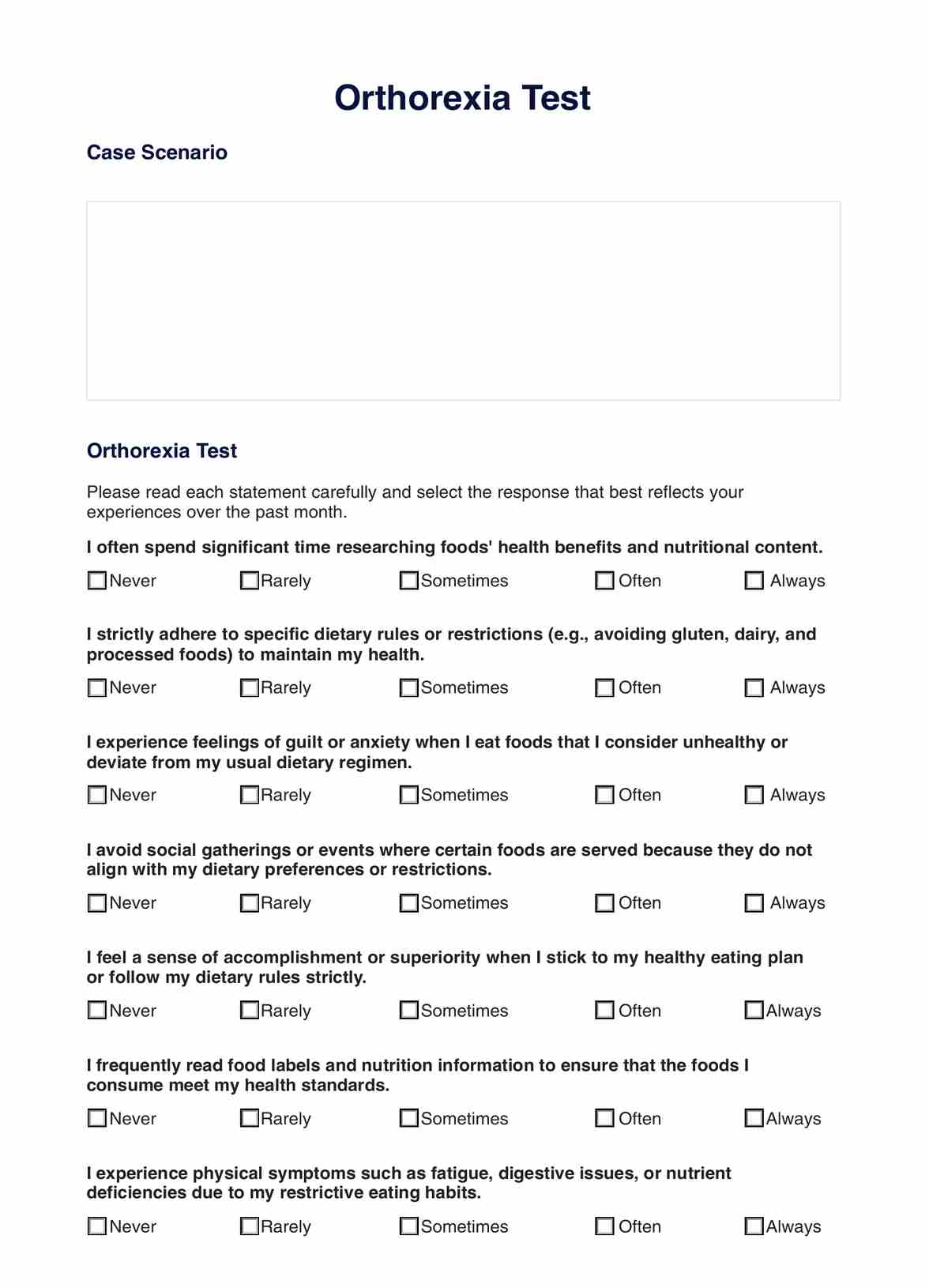
Orthorexia nervosa is a term used to describe an obsession with eating foods that one considers healthy. The term was coined by Dr. Steven Bratman in 1997 and is derived from the Greek words orthos, meaning "correct" or "right," and orexis, indicating "appetite" or "desire."
Individuals with orthorexia nervosa become fixated on consuming foods that they perceive to be pure, clean, or natural and avoid foods, often to the point where it negatively impacts their physical and mental well-being.
While a focus on healthy, intuitive eating is generally considered positive, orthorexia nervosa involves an extreme preoccupation with food quality and purity to the detriment of other aspects of life. This obsession can lead to anxiety, social isolation, nutritional deficiencies, and even physical harm if it results in the exclusion of entire food groups or inadequate calorie intake.
It's important to note that orthorexia nervosa is not currently recognized as a distinct eating disorder in the Diagnostic and Statistical Manual of Mental Disorders (DSM-5), which mental health professionals use for diagnosis. However, it is increasingly being recognized and studied as a problematic pattern of behavior related to food and eating habits.









