




What is Acceptance and Commitment Therapy?
is a multifaceted psychological intervention that blends elements of cognitive-behavioral therapy with mindfulness strategies. Developed in the late 20th century, ACT focuses on increasing psychological flexibility, which is the ability to be present at the moment and take meaningful actions aligned with one's values, even when complex thoughts and feelings arise.
Unlike traditional therapy forms that aim to control or eliminate symptoms like anxiety or depression, ACT teaches individuals to accept these feelings as a natural part of the human experience.
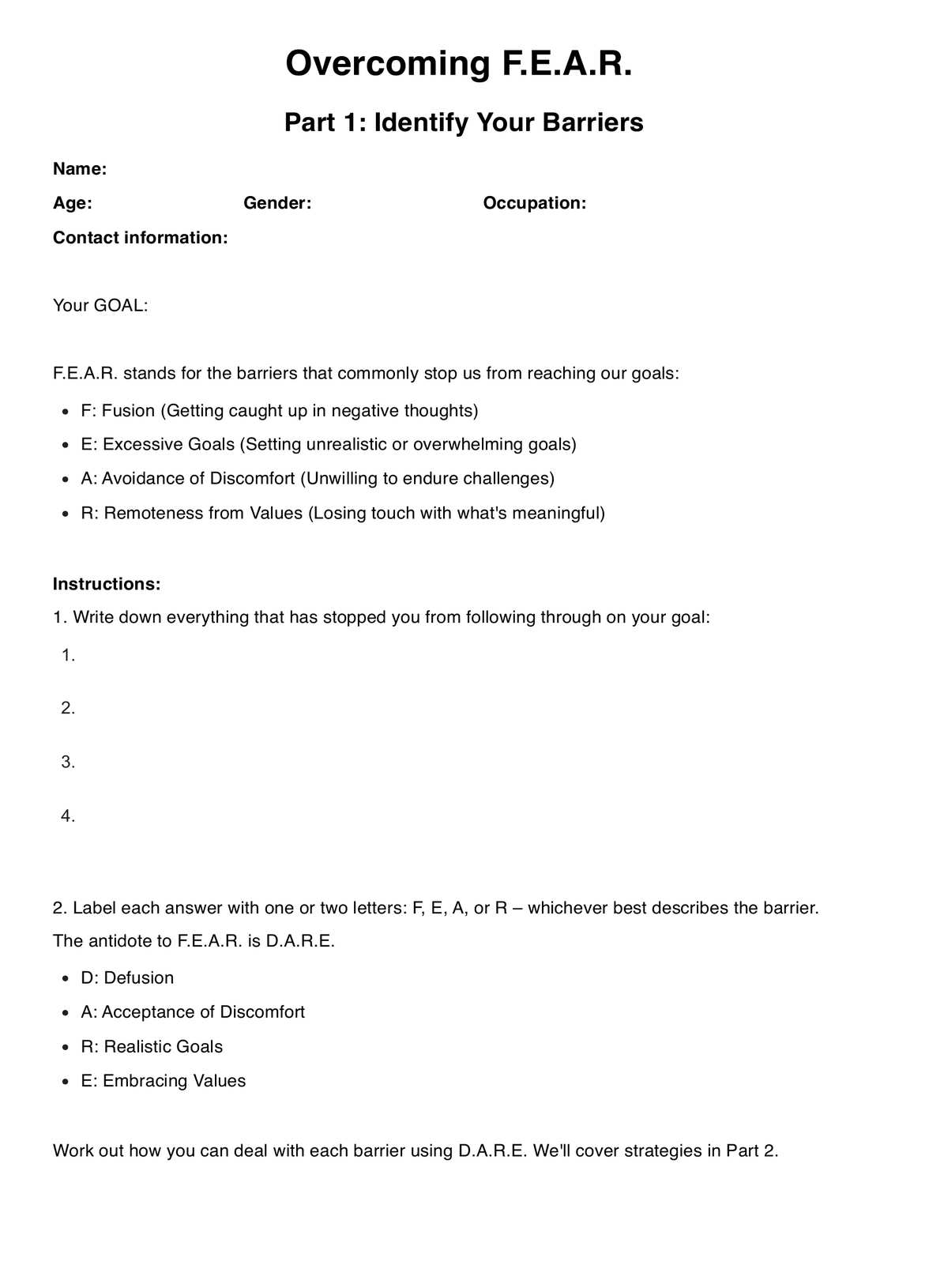
ACT uses a unique acronym, F.E.A.R., which stands for Fusion, Excessive Goals, Avoidance of Discomfort, and Remoteness from Values, to help identify common barriers people face.
The therapy involves working through these barriers and aligning actions with values, creating a harmonious way to navigate life. By confronting these fears and making room for uncomfortable feelings, ACT enables individuals to live more authentically and purposefully. It's not just about overcoming fears; it's about living a full, vibrant life despite them.









