
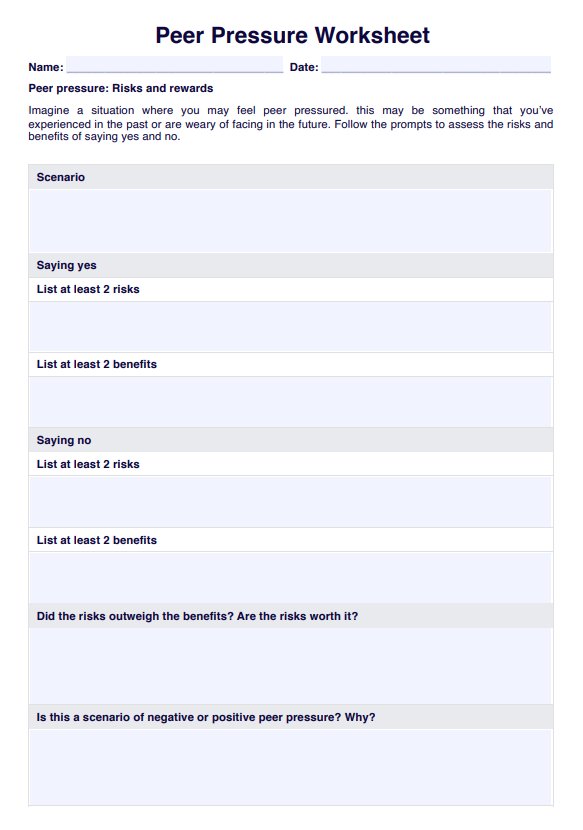




What is peer pressure?
Peer pressure refers to the influence individuals within a social group exert on each other, encouraging conformity to group norms, values, and behaviors. This phenomenon is most commonly observed during adolescence, when individuals are particularly susceptible to the opinions and actions of their peers. The pressure can manifest in various forms, such as direct persuasion, subtle social cues used, or implicit expectations within a social context.
People often experience peer pressure in an attempt to fit in or gain acceptance within a particular group. This can lead individuals to adopt certain attitudes, beliefs, or behaviors, even if they may not align with their values or preferences. The fear of rejection or isolation can be a powerful motivator, driving individuals to conform and respond to the perceived expectations of their peers.
Positive peer pressure can also exist, where individuals are encouraged to engage in beneficial or constructive behaviors. However, negative peer pressure is more commonly discussed, as it can lead to risky or harmful behaviors in kids, such as substance abuse, delinquency, or other forms of misconduct.









