
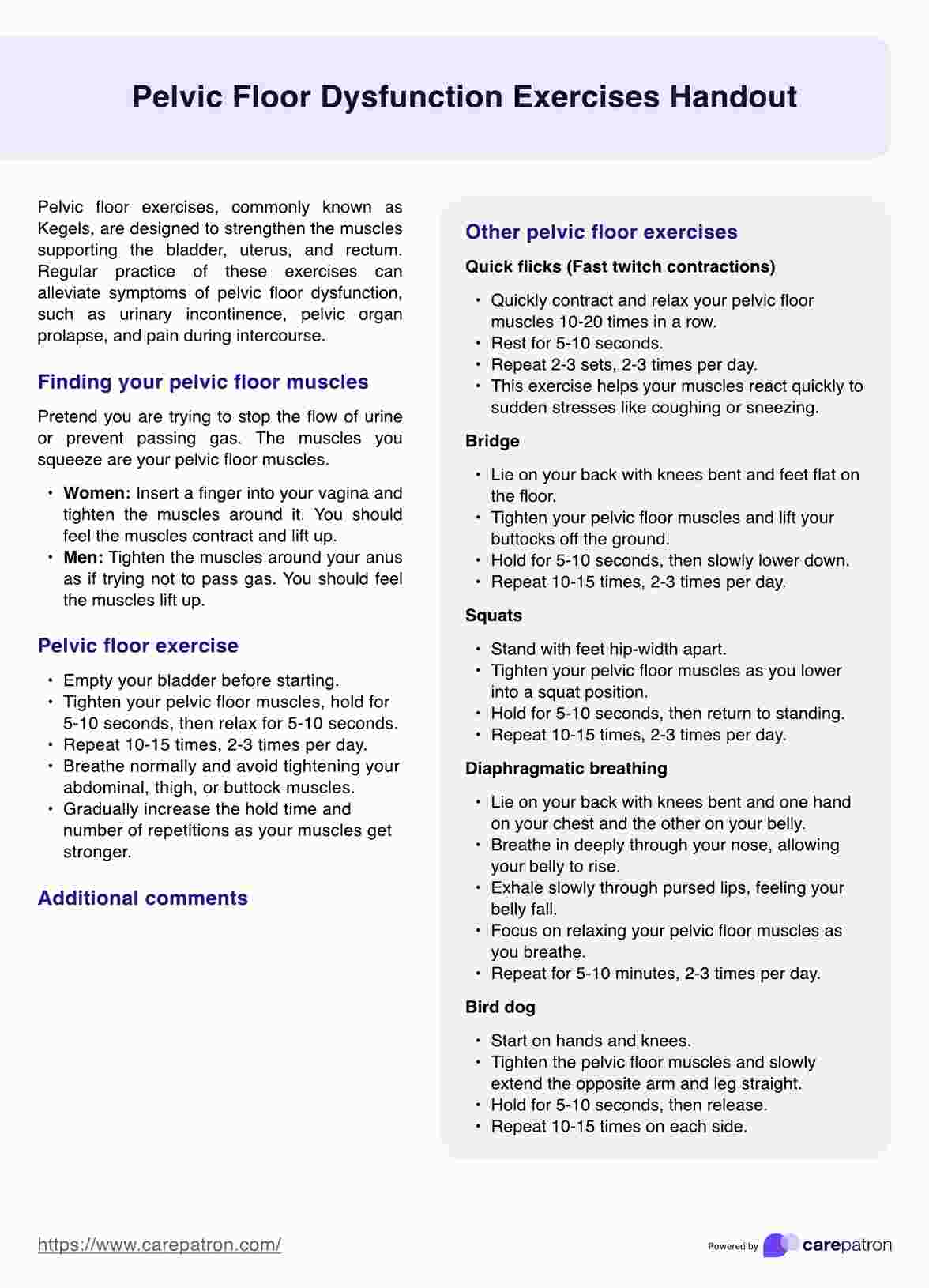




What is pelvic floor dysfunction?
The pelvic floor is composed of multiple muscles that support the rectum in a sling-like manner. These muscles must coordinate their contractions and relaxations to effectively control bowel and bladder functions.
For activities such as urination, bowel movements, and sexual intercourse in women, the pelvic floor needs to relax. When these muscles are either too tense (high tone) or too relaxed (low tone), pelvic floor dysfunction happens, resulting in urinary incontinence, constipation, pain during intercourse, or pain in the lower back, pelvic region, genitals, or rectum.
The main causes of pelvic floor dysfunction include pregnancy, obesity, and menopause. Additionally, some women are genetically predisposed to this condition, being born with naturally weaker connective tissue and fascia.
Symptoms of pelvic floor dysfunction include urinary issues such as incontinence, difficulty starting urination, frequent urination, and painful urination; bowel problems like constipation, straining, incomplete evacuation, and fecal incontinence; pain in the pelvic region, lower back, during intercourse, and in the genitals or rectum; and other symptoms of pelvic health such as pelvic pressure, muscle spasms, and unexplained pelvic discomfort.









