
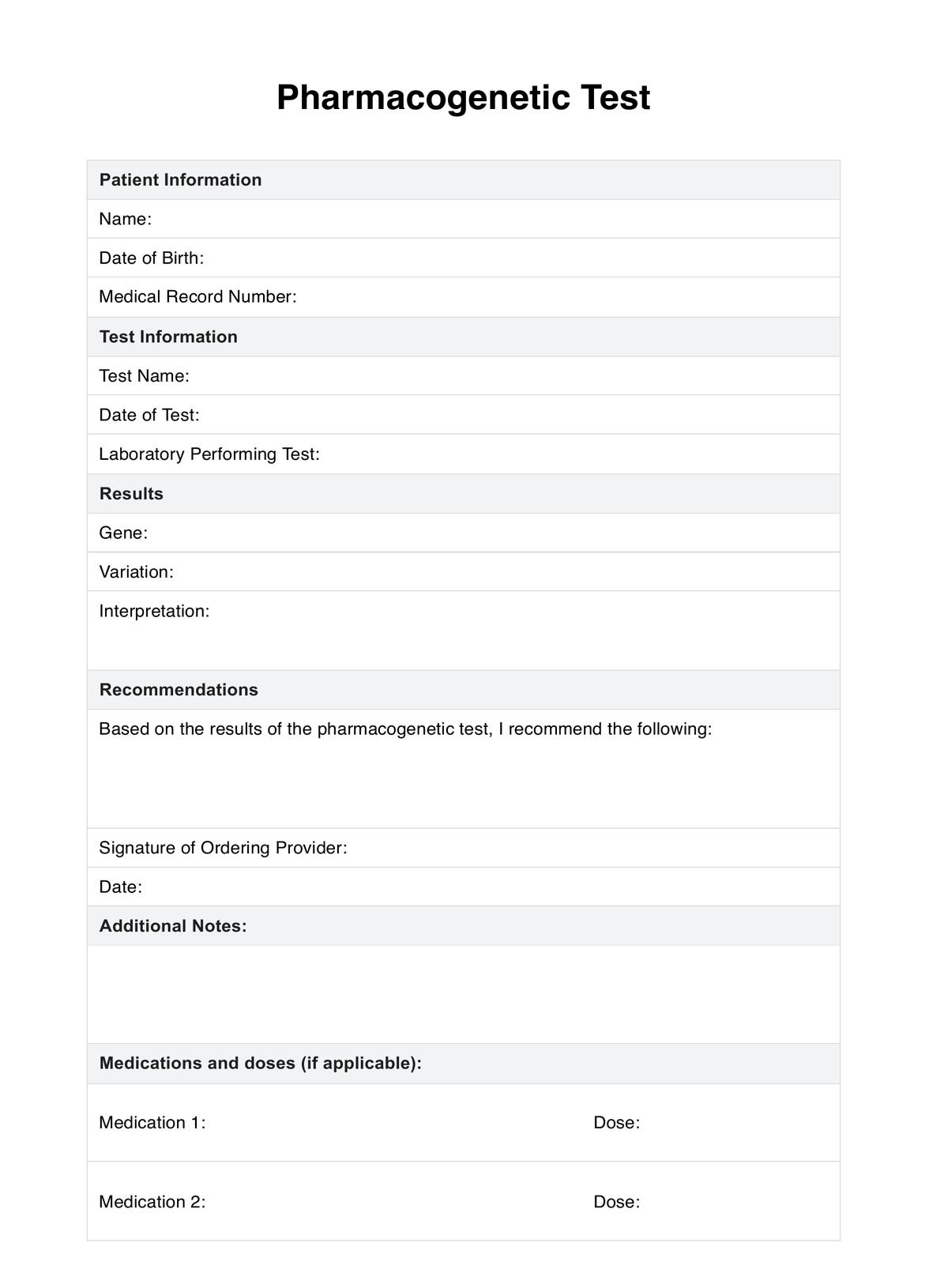




What Is A Pharmacogenetic Testing?
Pharmacogenetic Testing, also referred to as pharmacogenomics testing, delves into a genetic analysis technique that scrutinizes the influence of an individual's genes on their reaction to medications.
This assessment scrutinizes genetic variations that can impact the metabolism of drugs, their efficacy, and potential side effects. By conducting a Pharmacogenetic Test, healthcare professionals can make informed decisions regarding drug selection and dosing, leading to tailored and more effective treatments.
A sample of the patient's DNA is obtained during this examination, typically through a cheek swab or a blood sample. This genetic material is then analyzed to pinpoint genetic markers linked to drug metabolism. These markers furnish insights into how an individual might respond to various medications.
Common motivations for undergoing Pharmacogenetic Testing include optimizing drug therapy for individuals with chronic conditions, averting adverse drug reactions, and enhancing medication effectiveness for mental health disorders, pain management, and cancer treatment.
The Pharmacogenetic Test results empower healthcare providers to customize medication regimens to suit the unique genetic composition of each patient, thus facilitating treatment outcomes and minimizing undesirable effects.









