
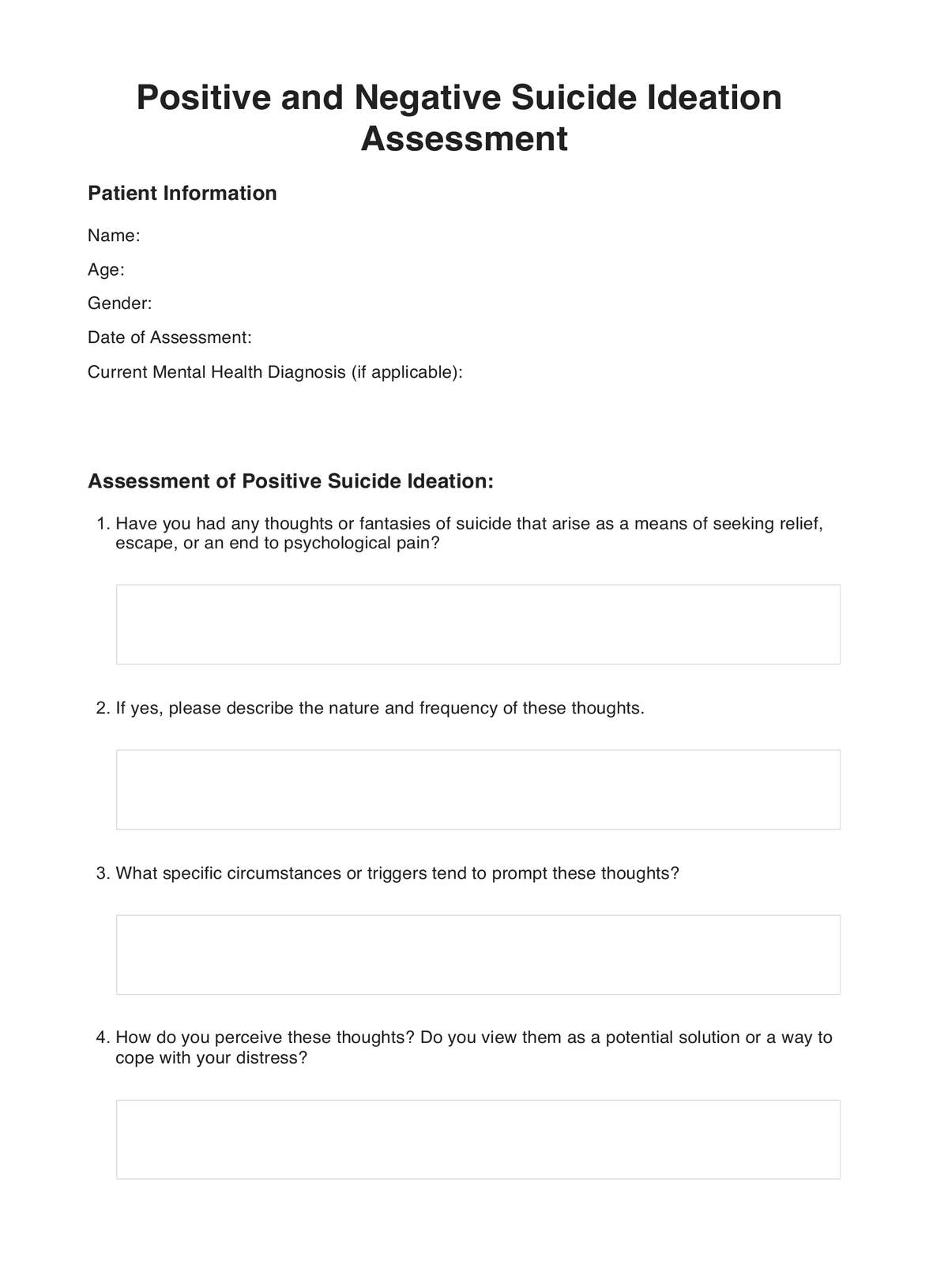




What is a Positive and Negative Suicide Ideation?
Positive suicide ideation refers to thoughts or fantasies of suicide that arise as a means of seeking relief, escape, or an end to psychological pain. It is crucial to approach this concept with sensitivity and empathy, recognizing that individuals experiencing positive suicide ideation often believe death may relieve their overwhelming distress. Understanding the underlying factors contributing to positive suicide ideation can guide healthcare practitioners in formulating appropriate interventions and support strategies.
On the other hand, negative suicide ideation represents thoughts of suicide stemming from feelings of hopelessness, despair, and a belief that life has become unbearable. Negative suicide ideation can emerge due to various factors, such as untreated mental health disorders, significant life stressors, or a lack of social support. Identifying the presence of negative suicide ideation is crucial to prevent potential self-harm or suicidal behavior and requires immediate intervention and support from healthcare practitioners.
Healthcare practitioners play a pivotal role in assessing the risk of both positive and negative suicide ideation. A thorough evaluation of the individual's mental health history, current symptoms, and risk factors must be conducted. Developing a robust safety plan, involving collaboration with mental health professionals, and ensuring ongoing monitoring and support are vital components of intervention.
Providing comprehensive care for individuals experiencing suicide ideation requires a multidisciplinary approach. Collaboration between healthcare practitioners, mental health specialists, therapists, and support networks is essential. Promoting open communication, active listening, and a non-judgmental environment is crucial in establishing trust and encouraging individuals to seek help.
Positive and negative suicide ideation present distinct challenges for healthcare practitioners. Healthcare practitioners can provide effective interventions, support, and care by understanding the complexities associated with both aspects. Compassion, empathy, and ongoing collaboration are key in addressing this sensitive topic and working towards suicide prevention and mental well-being for those in need.









