
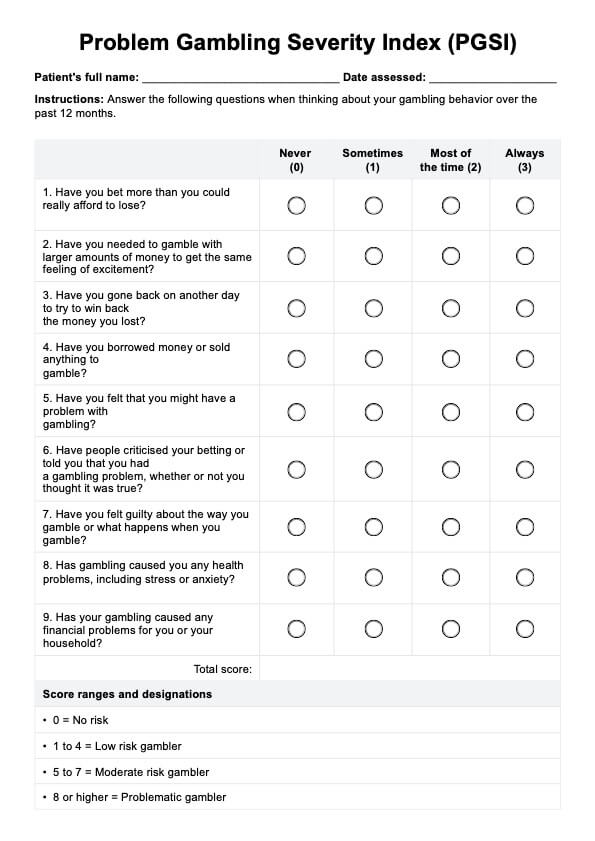




What is a gambling disorder?
A gambling disorder is a type of mental disorder where a person exhibits problematic gambling behavior that involves continually partaking in bets and wagers despite any financial problems that gambling caused to the person before. Even if they've felt guilty over the negative consequences that problem gambling has had on their life, a problem gambler will likely continue to gamble. That same feeling they've felt the first time they've won a bet will not be lost on them, and they will still try to chase that high again.
While many people may start gambling casually for fun, a person with a gambling disorder will lose control over their gambling behavior. They may borrow money, sell possessions, or engage in other problematic behaviors to fund their gambling addiction. It all starts with saying, "I'll just occasionally spend on this for fun," but they might spend so much even if their financial situation dictates they can't really afford to lose track of the money they spend each month.
Consequences of problematic gambling
Here are some identified negative consequences and health problems gambling disorder may cause or lead to:
- Severe financial problems leading to the point of bankruptcy
- Have poor general health because of the lack of money to take care of oneself
- Decline in work competence and performance, which may lead to getting fired
- Relationship problems
- Development of maladaptive behaviors to find ways to get money for betting
- Self-harming/suicidal thoughts and behaviors









