Other strategies for trauma recovery
It is essential to provide a holistic and personalized approach to trauma recovery. Below are some additional strategies that can complement traditional treatments and support patients dealing with post-traumatic stress disorder or trauma-related challenges:
Trauma-focused CBT
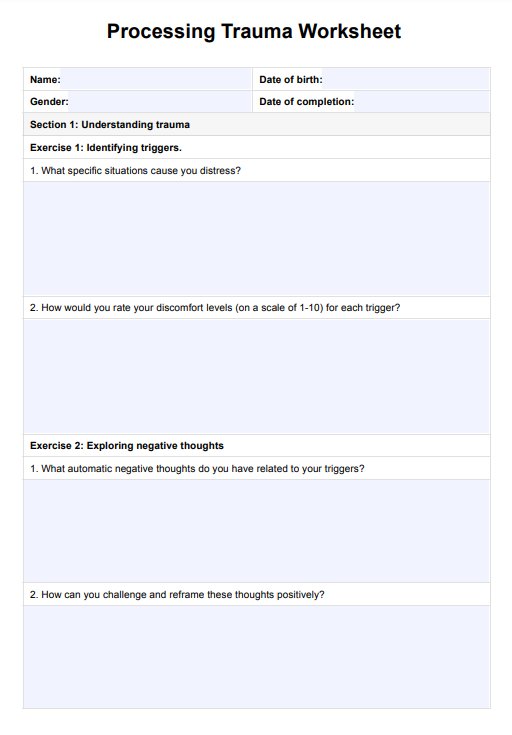
Trauma-focused cognitive behavioral therapy is one of the most effective evidence-based treatments for PTSD. This approach helps patients identify and challenge unhelpful thoughts related to traumatic events, while developing healthier thought patterns and coping strategies. Trauma-focused CBT aims to reduce the emotional distress tied to traumatic memories and improve the patient's ability to process the trauma.
Trauma narrative
Creating a trauma narrative allows patients to retell their traumatic experience in a safe and controlled environment. This process enables patients to reframe their trauma, gain perspective, and integrate the experience into their broader life story.
Addressing physical symptoms
Trauma often manifests in physical symptoms such as chronic pain, fatigue, or sleep disturbances. Addressing these symptoms is crucial in supporting trauma recovery. You can guide patients through physical therapies, mindfulness exercises, and relaxation techniques to alleviate these symptoms. Incorporating strategies to reduce physical tension and promote relaxation can help lower the overall impact of trauma on the body.
Mindfulness and grounding techniques
Mindfulness exercises and grounding techniques can help patients manage distressing symptoms and stay present in the moment. These techniques help reduce anxiety, flashbacks, and hypervigilance by encouraging patients to focus on their current surroundings and bodily sensations. Simple practices, like deep breathing, progressive muscle relaxation, or guided imagery, can be effective tools in trauma recovery.
Peer support and group therapy
Peer support groups and group therapy offer patients the opportunity to connect with others who have experienced similar trauma. Sharing experiences in a supportive environment can help reduce feelings of isolation and foster a sense of community. Group therapy, often combined with other therapeutic approaches like trauma-focused CBT, can provide additional layers of healing and validation for those recovering from traumatic events.
Family therapy
Including family members in the recovery process can enhance trauma treatment by improving communication and providing a broader support system. Family therapy helps loved ones understand the patient’s struggles and provides them with tools to offer support in healthy, constructive ways.