




What is protein?
The human body is a complex machine that needs essential minerals and nutrients to keep working efficiently. Meat is crucial due to its iron, zinc, vitamin D, and vitamin B12 properties.
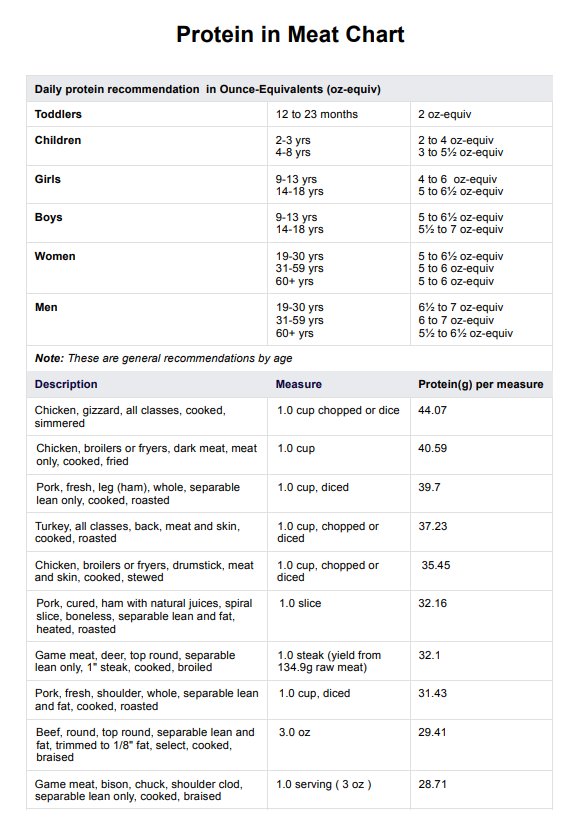
Protein is necessary for various bodily functions, such as the formation of hormones and enzymes, the growth and repair of tissues, and the regulation of nutrient and fluid balance (MedlinePlus, 2019). It further assists in offering nutrients needed for oxygen transport, energy metabolism, bone health, immunity boosting, and muscle building.
Amino acids are the building blocks for protein; nine of the 20 amino acids found in proteins are essential. These cannot be made in the body and thus must be consumed through food. The other 11 are non-essential and can be made by our body.
Protein can be divided into two categories: animal and plant-based. Animal sources include meat, fish, chicken, eggs, milk, cheese, and yogurt. Plant sources include soy protein, pumpkin seeds, whole grains, nuts, and other high-protein vegetables. Although these are valid forms of protein, individuals have to consume more to get the same amount of protein as meat (Rossiaky, 2023).









