
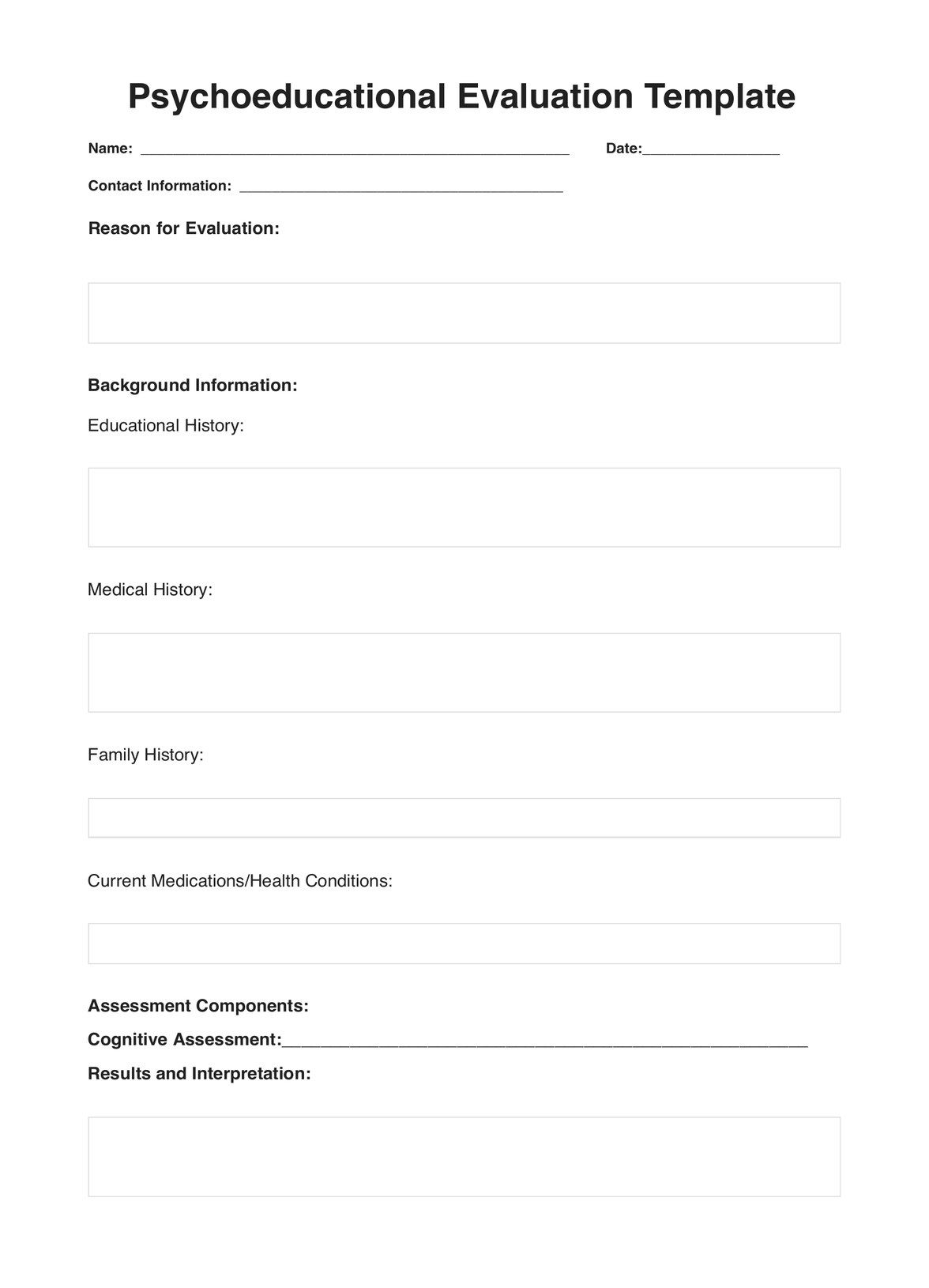




What is a Psychoeducational Evaluation?
A is a comprehensive assessment process designed to examine an individual's cognitive, emotional, behavioral, and academic functioning. It is typically conducted by a team of qualified professionals, including psychologists, educators, and other specialists, to understand an individual's unique learning and emotional needs deeply. This evaluation is commonly used in education and healthcare to inform the development of tailored interventions and support strategies for children, adolescents, and adults facing challenges in their academic or personal lives.
The critical components of a Psychoeducational Evaluation often include:
- Cognitive Assessment: This involves the measurement of cognitive abilities such as memory, attention, problem-solving, and reasoning. It helps identify intellectual strengths and weaknesses.
- Academic Assessment: Evaluators assess an individual's academic skills in areas like reading, writing, math, and language to pinpoint areas of difficulty or learning disabilities.
- Emotional and Behavioral Assessment: This aspect examines emotional well-being and behavioral patterns to identify any underlying mental health issues, emotional struggles, or behavioral challenges.
- Observations and Interviews: Professionals often conduct interviews and observe individuals in various settings to understand their functioning and behavior better.
- Review of Records: Previous educational and medical records may be reviewed to gather additional information about the individual's history and progress.
- Standardized Testing: Psychometric assessments and standardized tests are administered to gather quantitative data that can be compared to normative samples.
Once the evaluation is complete, a detailed report summarizes the findings and recommendations. These recommendations may include individualized educational plans (IEPs) or 504 plans in academic settings, therapeutic interventions, counseling, or other forms of support.
Psychoeducational Evaluations are invaluable tools in promoting the overall well-being and success of individuals struggling with learning disabilities, emotional challenges, attention deficits, or other barriers to their academic and personal growth. They enable educators, healthcare professionals, and families to collaborate to develop strategies and interventions tailored to individuals' needs, ultimately enhancing their quality of life and educational experiences.









