
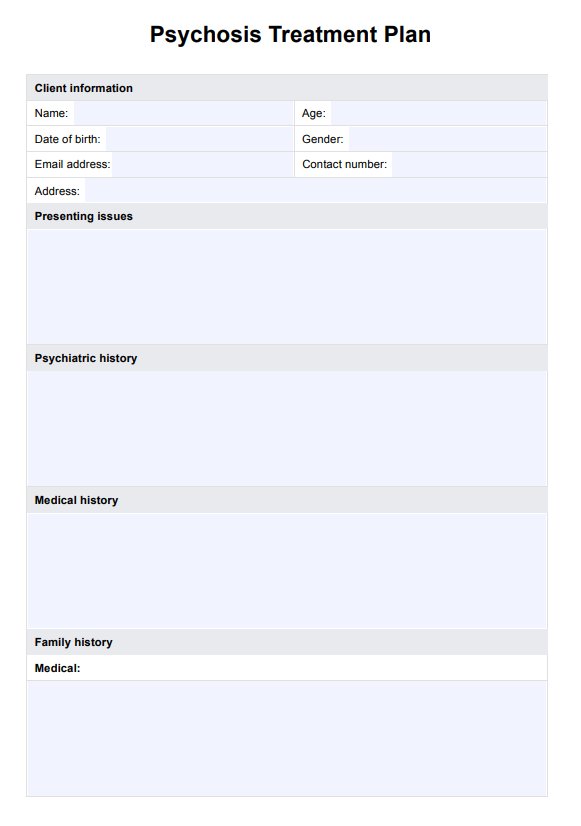




What is psychosis?
Psychosis refers to symptoms that disrupt an individual’s connection with reality, often making it difficult to distinguish real from unreal experiences. Psychotic episodes typically involve delusions, which are false beliefs such as thinking others are trying to harm them, and hallucinations, where individuals see or hear things others do not. These symptoms often develop in young adulthood but can occur at any age, sometimes indicating other mental health conditions like schizophrenia, bipolar disorder, or severe depression.
Psychosis may result from genetic risks, brain development issues, trauma, or stress, but sleep deprivation, prescription medications, substance use, or alcohol misuse can also trigger it. Importantly, psychosis does not always indicate a separate mental illness. Early warning signs include aspects of psychotic disorders such as paranoia, social withdrawal, disrupted sleep, or difficulty distinguishing reality from fantasy.
Untreated psychosis can lead to serious mental illness complications, including job loss, academic struggles, financial difficulties, substance abuse, social isolation, relationship strain, and worsening physical and mental health. Early intervention, a thorough assessment, and treatment such as antipsychotic medication, therapy, and support groups are vital for managing symptoms, improving mental health, and reducing the risk of future psychotic episodes.









