
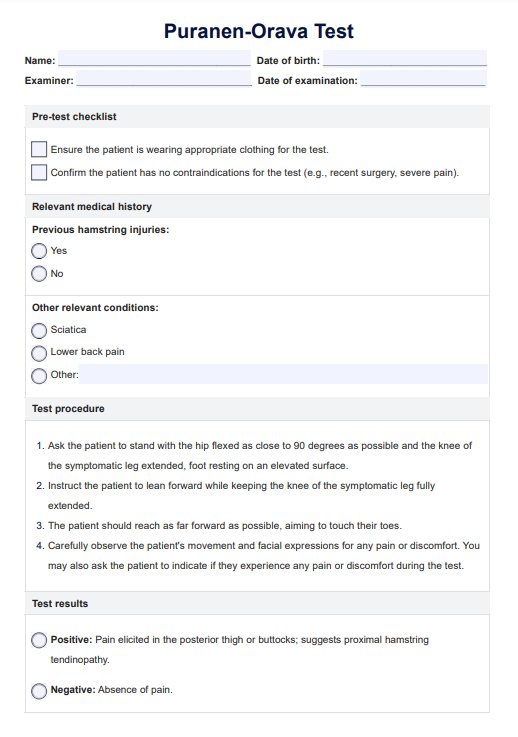




What is proximal hamstring tendinopathy?
Proximal hamstring tendinopathy is a chronic condition affecting the tendons of the hamstring muscles near the hip. It often causes deep, dull pain in the posterior thigh and buttocks, which worsens everyday tasks like running, sitting, or climbing stairs. This condition primarily affects athletes, especially runners and soccer players, but it can also occur in non-athletes who engage in activities that strain the hamstring muscles excessively.
Common risk factors for chronic proximal hamstring tendinopathy include overuse or a sudden increase in physical activity, poor biomechanics, inadequate warm-up or stretching routines, and previous injuries to the hamstring muscles. Due to its similar symptoms, this condition can also be misdiagnosed as sciatica or lower back pain.
Proximal hamstring tendinopathy symptoms
The most common symptom of proximal hamstring tendinopathy is pain in the posterior thigh or buttocks, in the region of the ischial tuberosity (sit bones), which can range from mild to severe. This pain occurs when stretching or contracting the hamstring, such as running, jumping, or sitting for prolonged periods.
Other symptoms of affected proximal hamstring tendons may include stiffness, weakness in the affected leg, and difficulty performing normal daily activities. In some cases, the affected area may also have swelling and tenderness.
If left untreated, proximal hamstring tendinopathy can become chronic and significantly impact an individual's ability to participate in physical activities. It is important to seek medical attention if symptoms persist or worsen.
Causes of this type of tendinopathy
There are several potential causes of proximal hamstring tendinopathy. Some of these include:
- Overuse or repetitive strain: Engaging in activities that involve frequent and forceful stretching or contracting of the hamstring, such as running, jumping, or sitting for prolonged periods.
- Muscle imbalances: Weakness in the gluteal muscles and tightness in the hamstring can strain the tendon excessively.
- Age-related degeneration: Our tendons become less elastic and more prone to injury as we age.
- Previous injuries: A history of previous hamstring injuries, like knee flexion or tendon thickening, can increase the likelihood of developing proximal hamstring tendinopathy.
- Poor biomechanics or posture: Improper movement patterns or poor posture can place extra stress on the hamstring tendon.









