




What is Cognitive Behavioral Therapy?
Cognitive Behavioral Therapy (CBT) is a widely recognized psychological treatment validated as effective for addressing many issues. These include but are not limited to, depression, anxiety disorders, marital issues, eating disorders, severe mental illness, and substance abuse problems.
At its core, CBT is a form of psychotherapy that focuses on altering dysfunctional emotions, behaviors, and thoughts by challenging and changing unhelpful cognitive distortions and behaviors, improving emotional regulation, and developing personal coping strategies that target solving current problems. It posits that our thoughts, feelings, and actions are all interconnected, and negative thoughts and feelings can trap us in a vicious cycle.
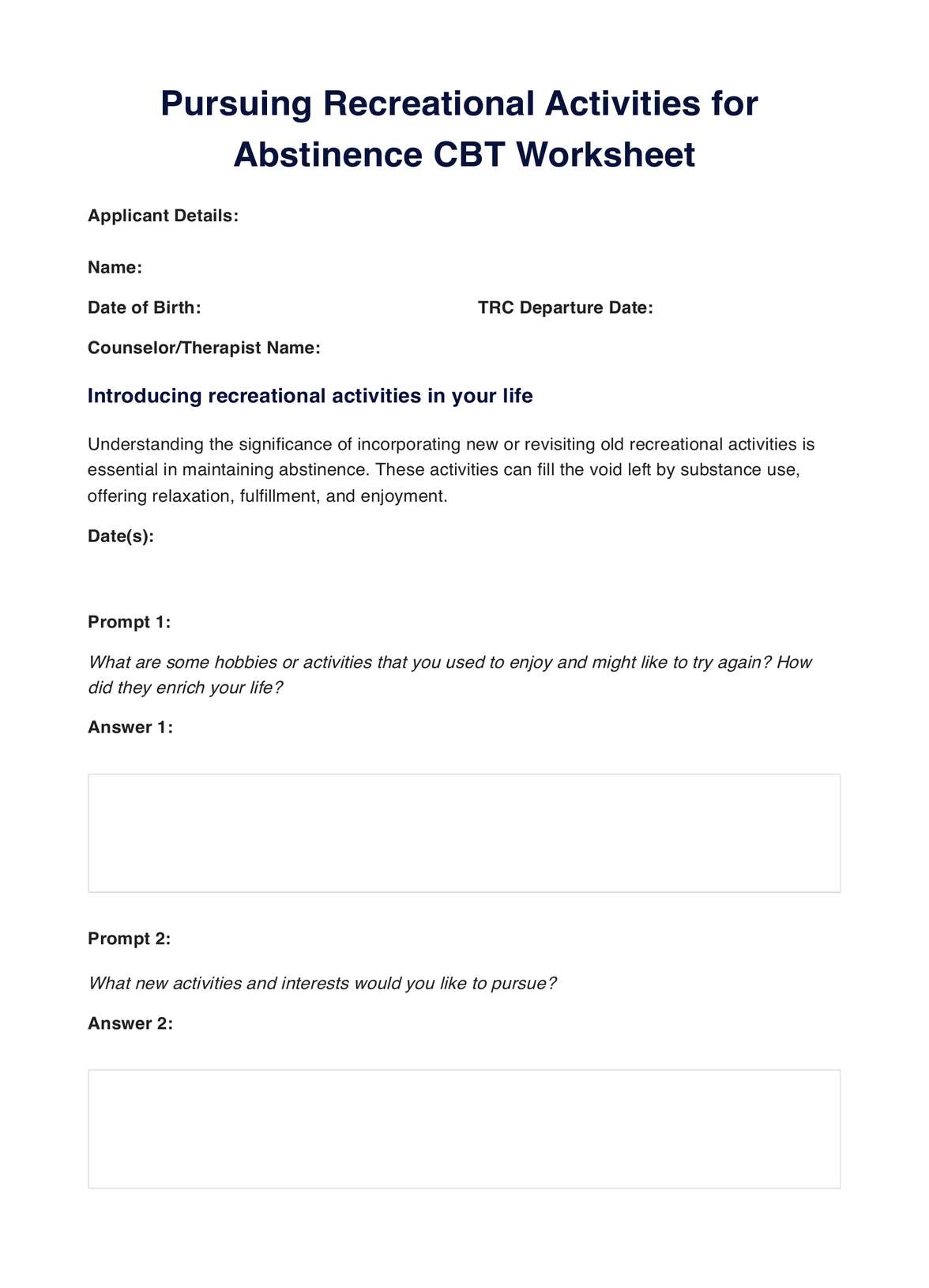
Particularly in the realm of substance abuse, CBT plays a critical role. Negative thought patterns and destructive behaviors often drive substance abuse. CBT helps individuals identify these harmful patterns, understand how they lead to substance abuse, and learn to replace them with healthier thoughts and behaviors.
Integrating CBT for substance abuse into a comprehensive care plan can significantly enhance treatment outcomes. By combining CBT with other therapies and strategies, healthcare providers can offer a more holistic approach to patient care. You can explore our resources for more detailed information about how CBT can be integrated into a comprehensive care plan.









