




What is Quantitative Sensory Testing?
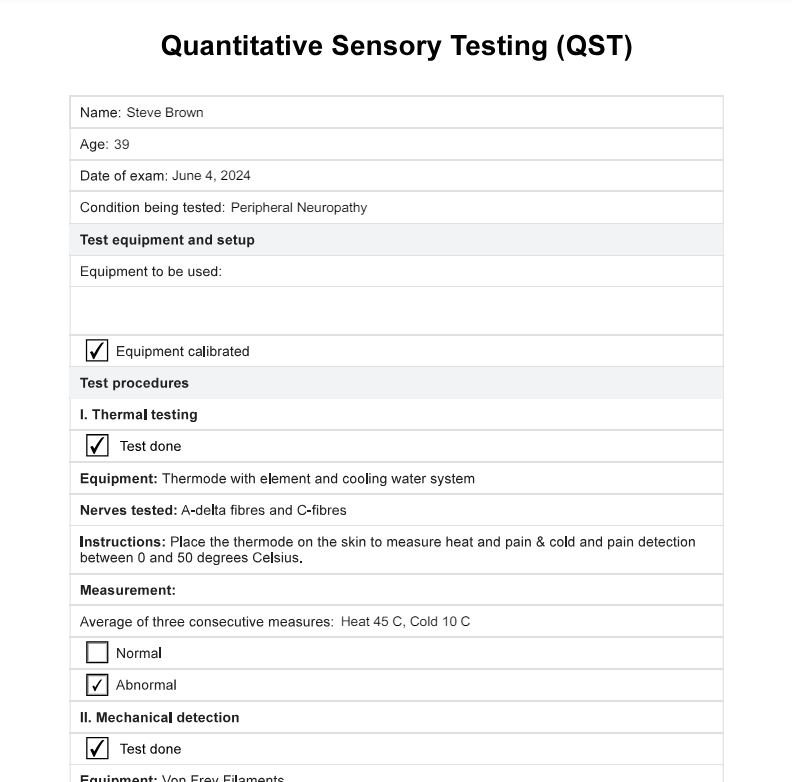
Quantitative Sensory Testing, or QST testing, is a method used to assess and measure an individual's sensory nerve function by testing their response to specific stimuli. It is particularly useful in diagnosing conditions characterized by either reduced or heightened pain sensitivity, such as neuropathic pain, and in identifying abnormalities in sensory perception. This testing can help determine the severity and scope of nerve damage and contribute to tailoring personalized treatment plans for patients.
Conditions Quantitative Sensory Testing helps with
Quantitative Sensory Testing is a valuable diagnostic tool for a variety of medical conditions and injuries that impact sensory function and pain perception:
- Neuropathic pain: QST helps differentiate among various types of neuropathic pain, providing insights into the specific nerve fibers involved. This is crucial for tailoring targeted treatments for postherpetic neuralgia or diabetic neuropathy.
- Diabetes: Early detection of diabetic neuropathy is possible with QST by identifying diminished sensation to thermal and mechanical stimuli. This early diagnosis is key in implementing preventative measures to manage symptoms and prevent progression.
- Systemic diseases: Conditions such as multiple sclerosis and fibromyalgia, which can alter sensory perceptions and cause pain or discomfort, are assessed using QST to evaluate the extent of sensory nerve involvement and guide management strategies.
- Chemotherapy-induced peripheral neuropathy: For patients undergoing chemotherapy, QST is used to assess the onset and progression of peripheral neuropathy caused by the toxic effects of chemotherapeutic drugs. This helps adjust chemotherapy doses or add neuroprotective agents.
- Complex regional pain syndrome (CRPS): QST can measure changes in pain sensitivity and sensory thresholds, providing detailed information that supports the diagnosis of CRPS and monitors the efficacy of treatments.
Each of these applications underscores the versatility of the QST methodology in enhancing our understanding of sensory impairments and refining patient care across multiple medical disciplines.
Components of Quantitative Sensory Testing
Quantitative Sensory Testing is a sophisticated diagnostic approach that evaluates the sensory function of subjects by testing various aspects of nerve response. It is comprised of multiple components:
- Thermal testing: This test measures the individual's ability to perceive temperatures, assessing responses to heat and cold stimuli. This helps identify nerve damage or dysfunction related to thermal perception, which is crucial for neuropathic pain and paradoxical heat sensation.
- Mechanical sensitivity: This involves testing the response to touch and pressure, helping to determine thresholds for tactile and mechanical pain. It is vital for diagnosing conditions that involve altered mechanical sensitivity, such as diabetic neuropathy and fibromyalgia.
- Pain response: This component evaluates the patient's reaction to painful stimuli (nociceptive testing) to determine pain thresholds and tolerance. It is particularly useful in understanding the severity and type of pain, such as neuropathic pain or increased pain sensitivity.
- Vibration testing: Assesses the sensitivity to vibration, which can indicate the status of nerve function, particularly those that carry vibration and touch sensations from the periphery to the brain. This test is essential for detecting early signs of diseases affecting peripheral nerves.









