




What are panic attacks, and what is Panic Disorder?
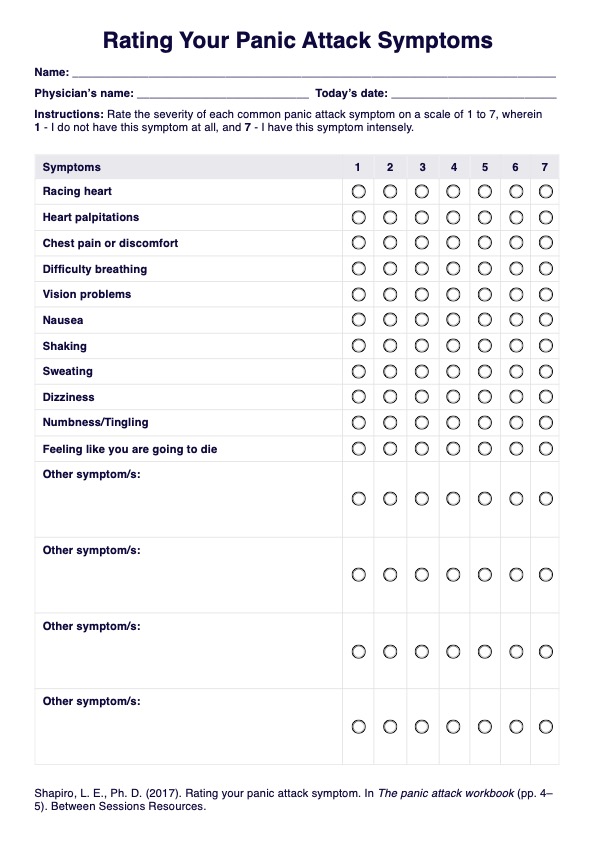
When someone is experiencing sudden episodes of intense fear or anxiety unexpectedly without any apparent cause/trigger or a sign of real danger, they are having a panic attack. Some physical signs and symptoms of someone having a panic attack are breathlessness, palpitations, chest pain, shaking, dizziness, sweating, a sense of impending doom, and a fear of loss. Those who suffer from a panic attack can find the experience frightening and distressing because it can affect their quality of life.
Should the panic attacks happen more frequently and severely and significantly impact their daily well-being, they may have a panic disorder, which is a type of anxiety disorder. Those with panic attacks and panic disorder may have similar symptoms; what differentiates them is the frequency of experiencing them and the fear of it happening again. This usually results in the one with panic disorder going to great lengths to avoid places where they had an attack.
Researchers and medical practitioners haven’t found the cause of panic attacks or disorder. However, they say that significant stress, changes in brain function, genetics, and having a temperament sensitive to stress or being prone to negative emotions can play a role in one experiencing panic attacks more frequently, leading to panic disorder development.
Treatment for panic disorder generally combines medication, lifestyle changes, relaxation techniques, and therapy that uses panic attack worksheets, experiences, and activities.
You can also use this relaxation techniques template to assist clients in finding effective ways to relax and manage anxiety. This template provides a range of techniques that can be tailored to meet individual needs.









