




What is Cognitive Behavioral Therapy?
A popular and scientifically supported type of psychotherapy that emphasizes the interaction between thoughts, emotions, and behaviors is called Cognitive Behavioral Therapy (CBT). It is based on the idea that our thoughts affect our feelings and behaviors, and that we can effectively manage emotional and behavioral difficulties by recognizing and changing dysfunctional thought patterns.
In the context of reducing stress during recovery, CBT plays a pivotal role. Stress is a common factor in the recovery process, be it from physical illness, addiction, trauma, or other life-altering events. CBT equips individuals with practical skills and strategies to cope with stressors and alleviate their impact on overall well-being.
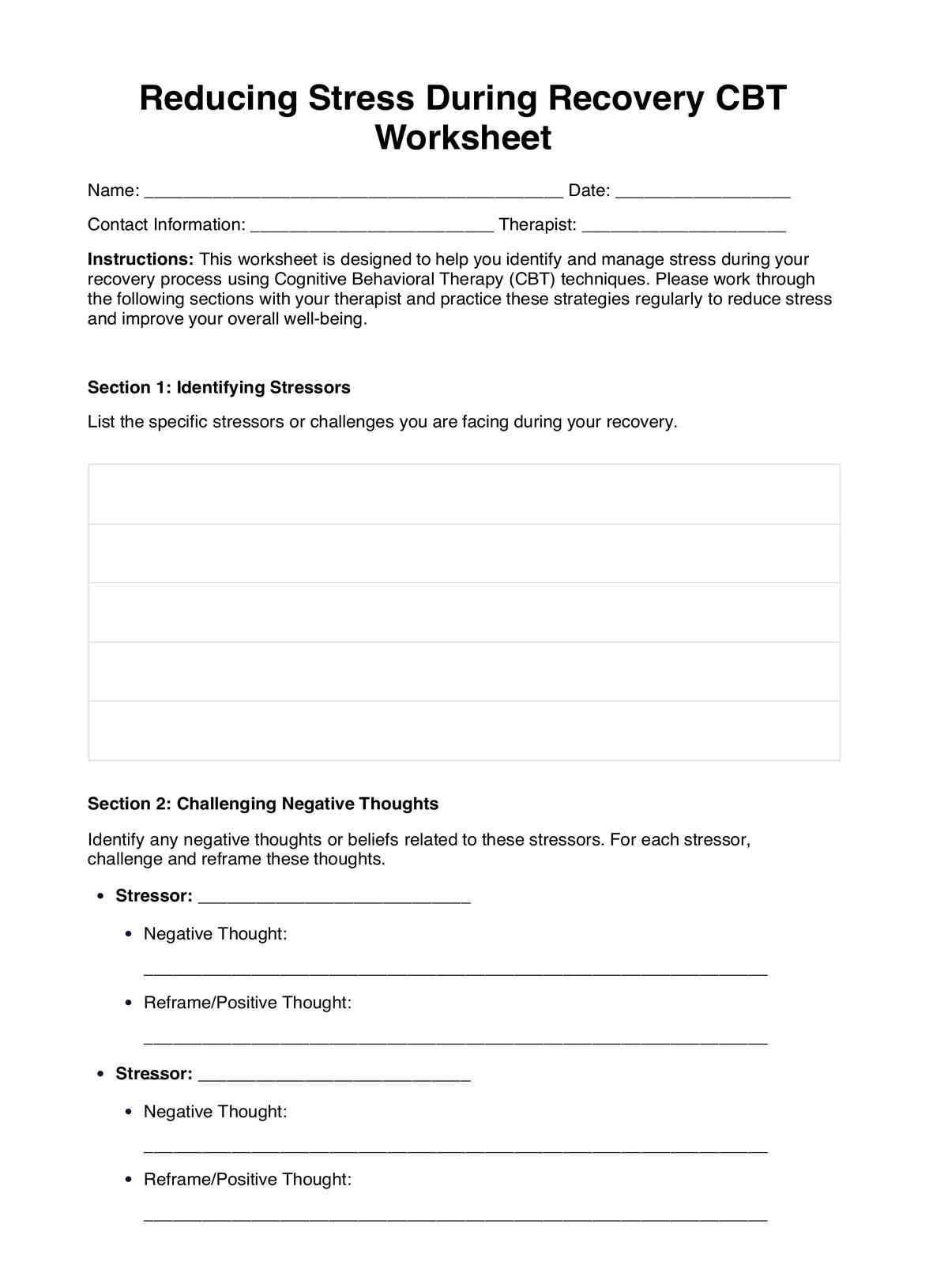
CBT for stress reduction during recovery involves several key components. First, individuals work with a trained therapist to identify negative thought patterns and beliefs that contribute to their stress. These thoughts may include catastrophic thinking, negative self-talk, or unrealistic expectations. By recognizing and challenging these distortions, individuals can reframe their thoughts in a more realistic and positive manner.
Second, CBT helps individuals develop healthy coping mechanisms and stress-management techniques. These can include relaxation exercises, mindfulness practices, time management, and problem-solving skills. Individuals learn how to respond to stressors in a constructive and adaptive way, reducing the harmful effects of chronic stress on the mind and body.
Additionally, CBT emphasizes behavioral changes that complement stress reduction. This may involve gradually facing stressors and triggers in a controlled and systematic manner to desensitize the emotional response. It empowers individuals to develop healthier behaviors and responses when faced with stressors, promoting resilience and a sense of control during the recovery process.
In summary, CBT provides a structured and practical approach to reducing stress during recovery by targeting negative thought patterns, teaching coping strategies, and fostering positive behavioral changes. Its effectiveness has made it a cornerstone of stress management within healthcare settings, facilitating a smoother journey towards recovery and improved mental health.









