
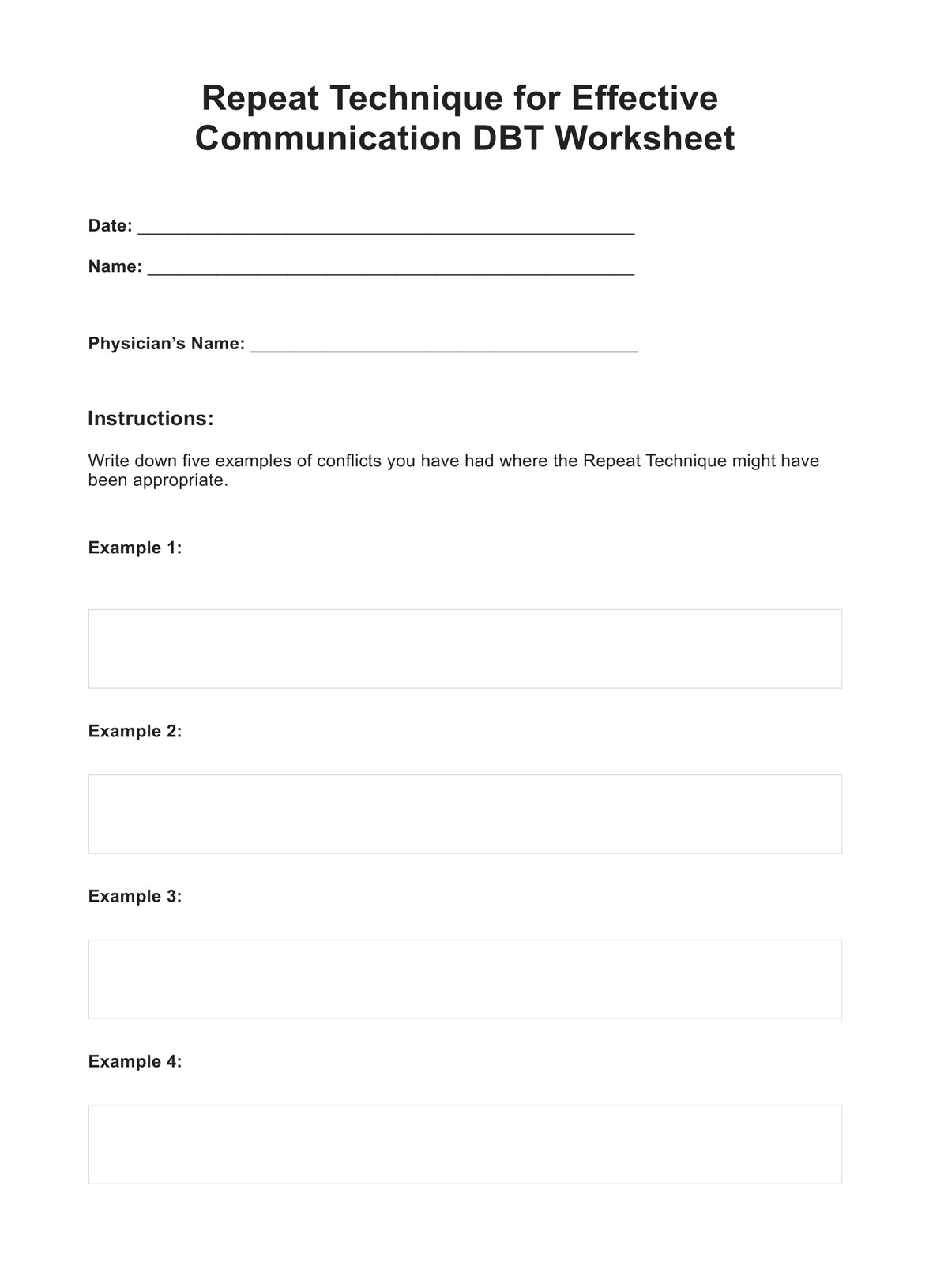




What is Dialectical Behavior Therapy?
Rooted in a combination of cognitive-behavioral therapy, mindfulness practices, and Eastern philosophical concepts, Dialectical behavior therapy, or , is a type of evidence-based psychotherapy developed in the 1980s by Marsha M. Linehan.
DBT sessions are conducted in three ways: individual sessions, group therapy, and telephone crisis/phone coaching by therapists with a DBT certification or licensed and experienced mental health professionals.
Examples of these professionals are psychiatrists, psychologists, and psychiatric nurses.
The aforementioned healthcare practitioners use DBT techniques to cure various mental health conditions like bipolar disorder, anxiety, depression, substance abuse, and eating disorders.
Treatment via DBT sessions aims to teach clients how to accept their desires while creating positive life changes. Specifically, the referring physician seeks to inform, equip, and hone the four skills unique to dialectical behavior therapy in a client. The skills are as follows:
- Mindfulness: Being more aware and accepting of one’s present experiences and thoughts.
- Distress Tolerance: Overcoming challenging times without resorting to self-destructive coping techniques.
- Interpersonal Effectiveness: Knowing and being firm with one’s feelings to improve relationships.
- Emotional Regulation: Dealing with primary/first emotions before they turn into secondary/other emotions.









