




What are Trauma and PTSD?
Trauma is a distressing and often unexpected event that can inflict physical and emotional harm on an individual. It can manifest in various forms, such as accidents, abuse, natural disasters, or acts of violence, leaving a lasting impact on the individual's mental health. Post-traumatic stress disorder (PTSD) is a mental health condition that develops after experiencing or witnessing a traumatic event.
Symptoms of PTSD can be categorized into four types: re-experiencing, avoidance, negative changes in mood or cognition, and hyperarousal. Re-experiencing symptoms include flashbacks, nightmares, or intrusive thoughts about the event. Avoidance symptoms refer to avoiding triggers or anything that reminds the individual of the traumatic event. Negative changes in mood or cognition may include feelings of detachment, guilt, or shame. Hyperarousal symptoms can result in easily startled, difficulty sleeping, or irritability.
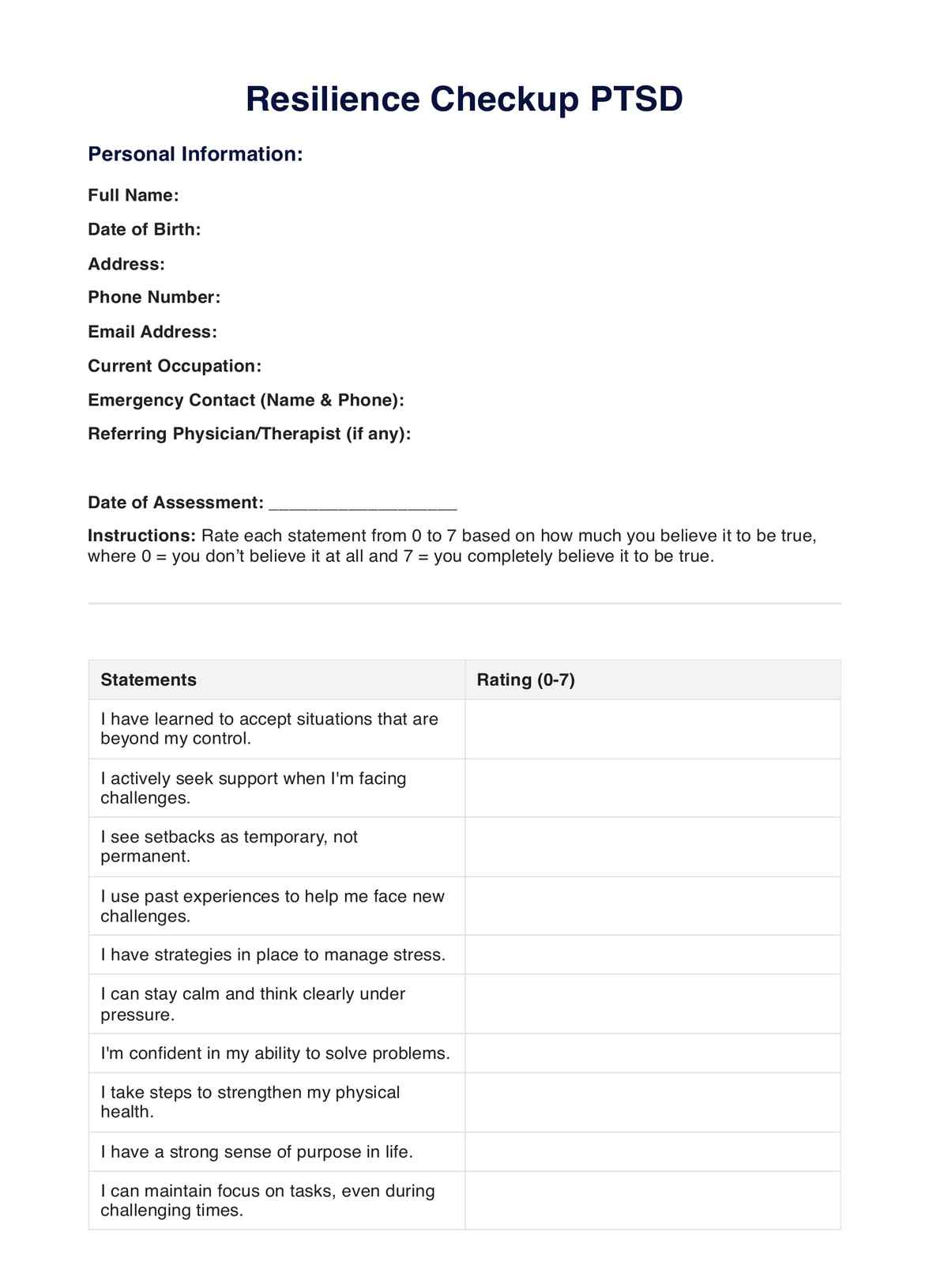
Recovering from trauma and PTSD can be challenging, but developing resilience can help individuals overcome these challenges and lead fulfilling lives. Resilience refers to coping with adversity and recovering from difficult experiences. Building resilience can be achieved in several ways, including building a support system, practicing self-care activities, and seeking professional help when needed.
Trauma and PTSD can significantly impact an individual's mental health, but developing resilience can help overcome these challenges. Healthcare professionals can utilize tools like Carepatron to manage patient data securely and efficiently to provide optimal care for PTSD patients.









