
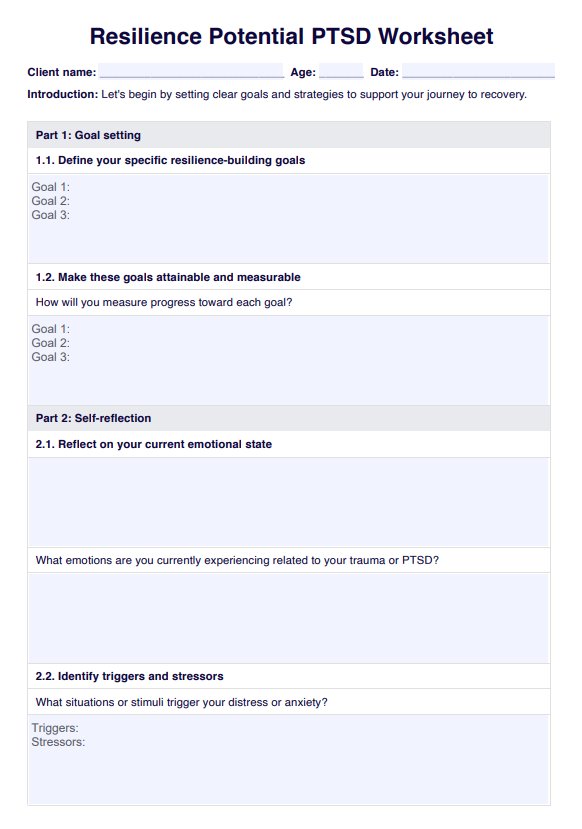




What are Trauma and PTSD?
Trauma encompasses distressing events that overwhelm an individual's ability to cope effectively, spanning experiences like physical harm, emotional abuse, natural disasters, and more. It challenges one's sense of safety and self. Post-Traumatic Stress Disorder, or PTSD, often follows trauma, causing ongoing symptoms like flashbacks, nightmares, severe anxiety, avoidance behaviors, negative mood changes, and hyperarousal.
Resilience, a key factor in trauma recovery, helps individuals bounce back from adversity. It encompasses emotional regulation, social support, cognitive flexibility, and positive coping strategies. Resilience acts as a shield against the development of PTSD by enabling better coping with traumatic experiences, reducing their long-term impact.
Enhancing resilience is vital for trauma survivors and those at risk of PTSD. It involves building emotional strength, nurturing supportive relationships, adapting thinking patterns, and adopting healthy coping mechanisms. By cultivating resilience, individuals can better navigate the challenges trauma presents, gradually regaining control and well-being and reducing the risk of PTSD.









