




What is a Retina exam?
The retina, a crucial component of the eye, is a thin layer of tissue lining the back of the eye. Its primary function is to receive light that the lens has focused, convert this light into neural signals, and send these signals to the brain for visual recognition. The health of the retina is vital for clear vision.
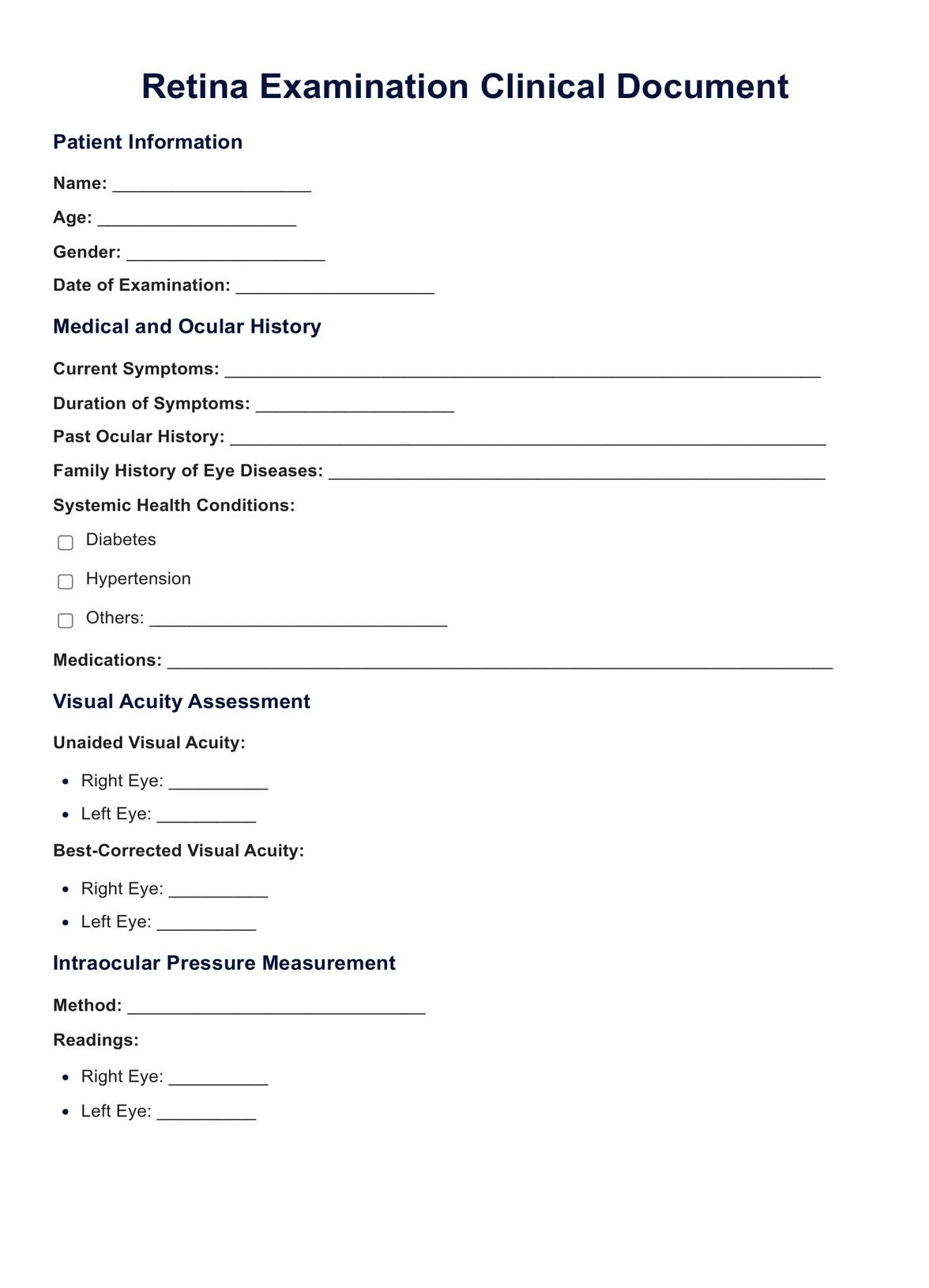
A retina exam, often conducted by an ophthalmologist or an eye doctor, is a critical examination to assess the health of the retina and other structures within the eye. This type of eye exam is essential for early detection and treatment of various eye conditions and diseases that could lead to vision loss.
During a comprehensive eye exam, several tests are performed to evaluate the retina:
- Dilated eye exam: Eye drops are used to dilate the pupils, providing a clear view of the retina. This allows the eye doctor to examine the optic nerve, blood vessels, macula (the central part of the retina), and other structures inside the eye.
- Optical coherence tomography (OCT): This non-invasive imaging test provides cross-sectional pictures of the retina. It helps in detecting and treating retinal diseases like macular degeneration and diabetic retinopathy.
- Fluorescein angiography: A special dye (fluorescein dye) is injected into the bloodstream. The dye highlights the blood vessels in the back of the eye so they can be photographed. This test is particularly useful for diagnosing wet macular degeneration and other conditions involving abnormal blood vessels.
- Indirect ophthalmoscopy: This technique involves using a bright light and a special lens to examine the retina. It's especially useful for detecting retinal detachment, retinal tears, or other abnormalities.
- Visual field test: This test measures all areas of eyesight, including peripheral vision. It can help to detect abnormalities in the visual field caused by glaucoma and other eye diseases.
A retinal exam is crucial not only for those experiencing symptoms but also for individuals with risk factors such as diabetes, high blood pressure, or a family history of retinal diseases. Early detection through these exams can prevent conditions like diabetic retinopathy, which can lead to blindness if left untreated.
During the examination, the ophthalmologist may also look for signs of other eye conditions, such as glaucoma, by examining the optic disc and the pressure within the eye. The patient's retina is closely observed for any signs of damage, such as macular holes or retinal bleeding.
Regular eye exams, particularly for those with risk factors, are essential in maintaining good eye health and preventing vision loss. These exams allow doctors to monitor and treat any changes in the eye, ensuring the best possible outcome for the patient's vision.









