




What is rheumatoid arthritis (RA)?
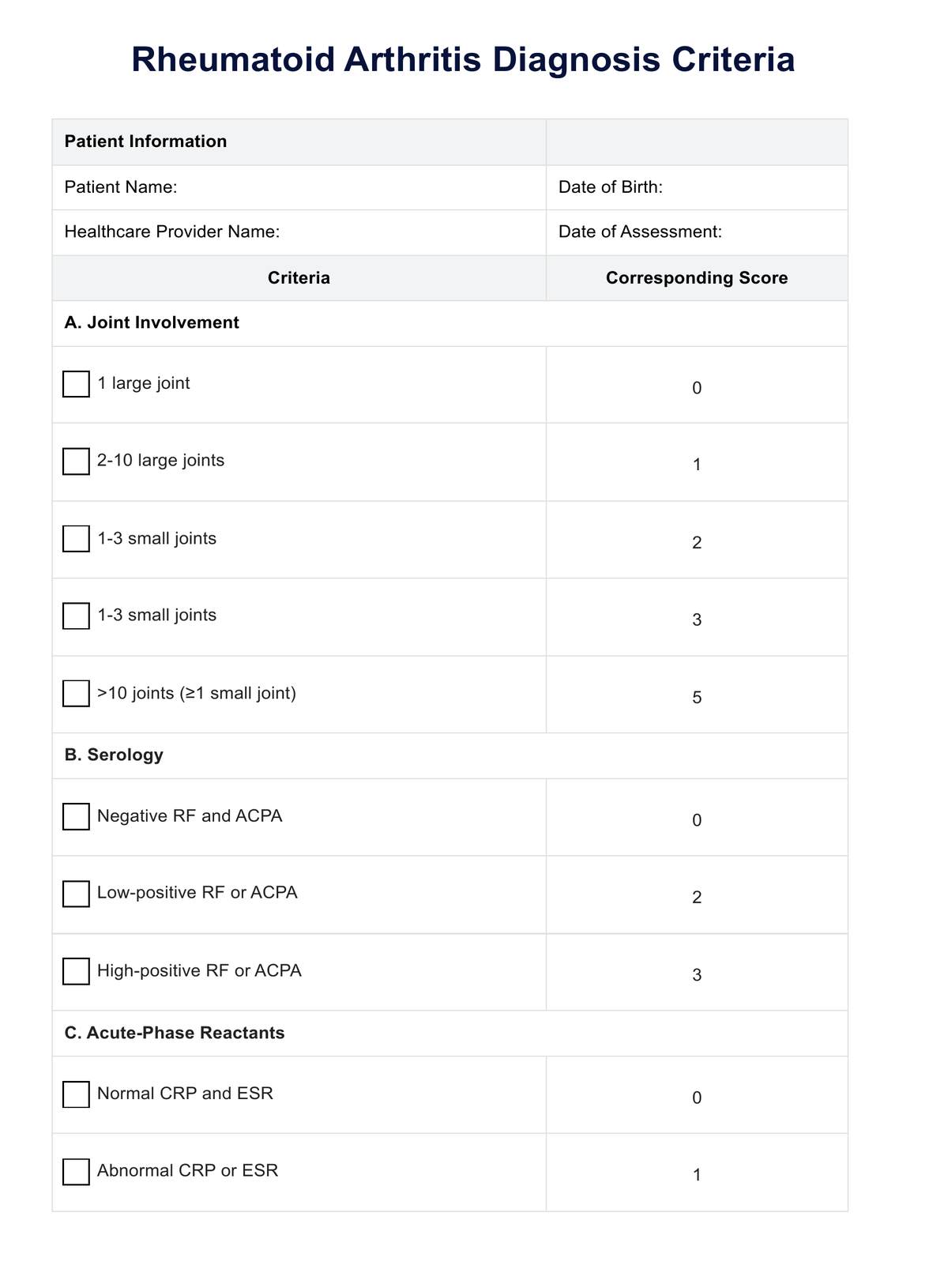
Rheumatoid arthritis (RA) is an inflammatory arthritis, a chronic disease affecting joints. It causes joint inflammation, pain, and stiffness. Early rheumatoid arthritis may manifest as joint symptoms like swelling and tenderness. Diagnosing rheumatoid arthritis involves assessing joint involvement and considering factors like rheumatoid factor and inflammatory markers. Treating rheumatoid arthritis typically involves a combination of medication and lifestyle changes to manage symptoms and prevent joint damage.
It is crucial to distinguish RA from other conditions like systemic lupus erythematosus or inflammatory bowel disease, as the treatment approach may differ. Additionally, individuals with psoriatic arthritis or reactive arthritis may exhibit similar joint symptoms. Rheumatoid nodules, another characteristic feature, may develop in some cases.
Early detection and intervention are crucial for effectively managing rheumatoid arthritis and improving quality of life.
Symptoms
Rheumatoid arthritis (RA) is a multifaceted disease with symptoms that impact patients differently. Accurate identification of these symptoms is crucial for diagnosis and determining the best course of action:
- Joint swelling: Characterized by enlargement that makes joints appear bigger and feel warm and tender to the touch.
- Swollen joints: Increased size or puffiness in larger joints, such as knees and elbows, leading to restricted movement and discomfort.
- Active rheumatoid arthritis: Ongoing joint pain and inflammation marked by stiffness, fatigue, and increased discomfort during flare-ups.
- Large joint symptoms: Inflammation and potential mobility impairment in weight-bearing joints like the hips and shoulders.
- Distal interphalangeal joint involvement: Stiffness and swelling in the joints at the tips of fingers and toes may lead to deformities.
- Inflammatory joint disease: Pain, stiffness, and a decreased range of motion in the affected joints, often accompanied by redness and warmth.
- Joint destruction: Long-term RA can cause joint damage, visible as erosion and deformity, which indicates advanced disease progression.
Healthcare providers need to recognize these symptoms promptly to slow the disease's progression and help maintain their patients' quality of life. Regular monitoring and adapting treatment approaches based on the progression of these symptoms are vital in the effective management of RA.
Risk factors and causes of rheumatoid arthritis
Rheumatoid arthritis (RA) develops from genetic, lifestyle, and environmental factors. Understanding these can help in prevention and targeted treatment:
- Genetic factors: Individuals with a family history of RA are at a higher risk, indicating a genetic predisposition to the disease.
- Lifestyle choices: Smoking significantly increases the risk of developing RA and can exacerbate its severity.
- Environmental exposures: Exposure to substances like silica and asbestos, especially in specific workplaces, is linked to an elevated risk of RA.
The causes of RA involve complex interactions within the body:
- Autoimmune reaction: An improper immune response leads to inflammation in the synovium, the lining of the joints, which is characteristic of RA.
- Genetic and environmental interaction: The disease often results from genetic susceptibility and environmental triggers.
As noted by Wasserman (2011), these factors collectively contribute to the risk and development of RA, emphasizing the importance of a comprehensive understanding for effective management.









