




What is Cognitive Behavioral Therapy?
(CBT) is a therapeutic approach that delves into the intricate relationship between thoughts, emotions, and behaviors. It's a versatile psychological tool, and its application in tackling substance abuse is particularly noteworthy.
In substance abuse treatment, CBT functions as a compass, guiding individuals toward recovery by addressing the cognitive and behavioral aspects perpetuating addiction. Here's a fresh perspective on how CBT is employed in this context:
CBT helps individuals unearth the hidden triggers that prompt them to use substances. Pinpointing these triggers unravels the complex web of factors contributing to their addiction. CBT invites individuals to become thought detectives, scrutinizing their beliefs about substance use. For instance, someone may believe they can't face life's challenges without relying on drugs. CBT intervenes by reshaping this belief, offering alternative coping strategies, and fostering a new mindset.
CBT isn't just about theoretical insights; it's convenient. It equips individuals with a toolbox of coping mechanisms to confront cravings, stress, and triggers head-on. Patients learn to navigate life's challenges without substance use through problem-solving exercises, relaxation techniques, and asserting themselves.
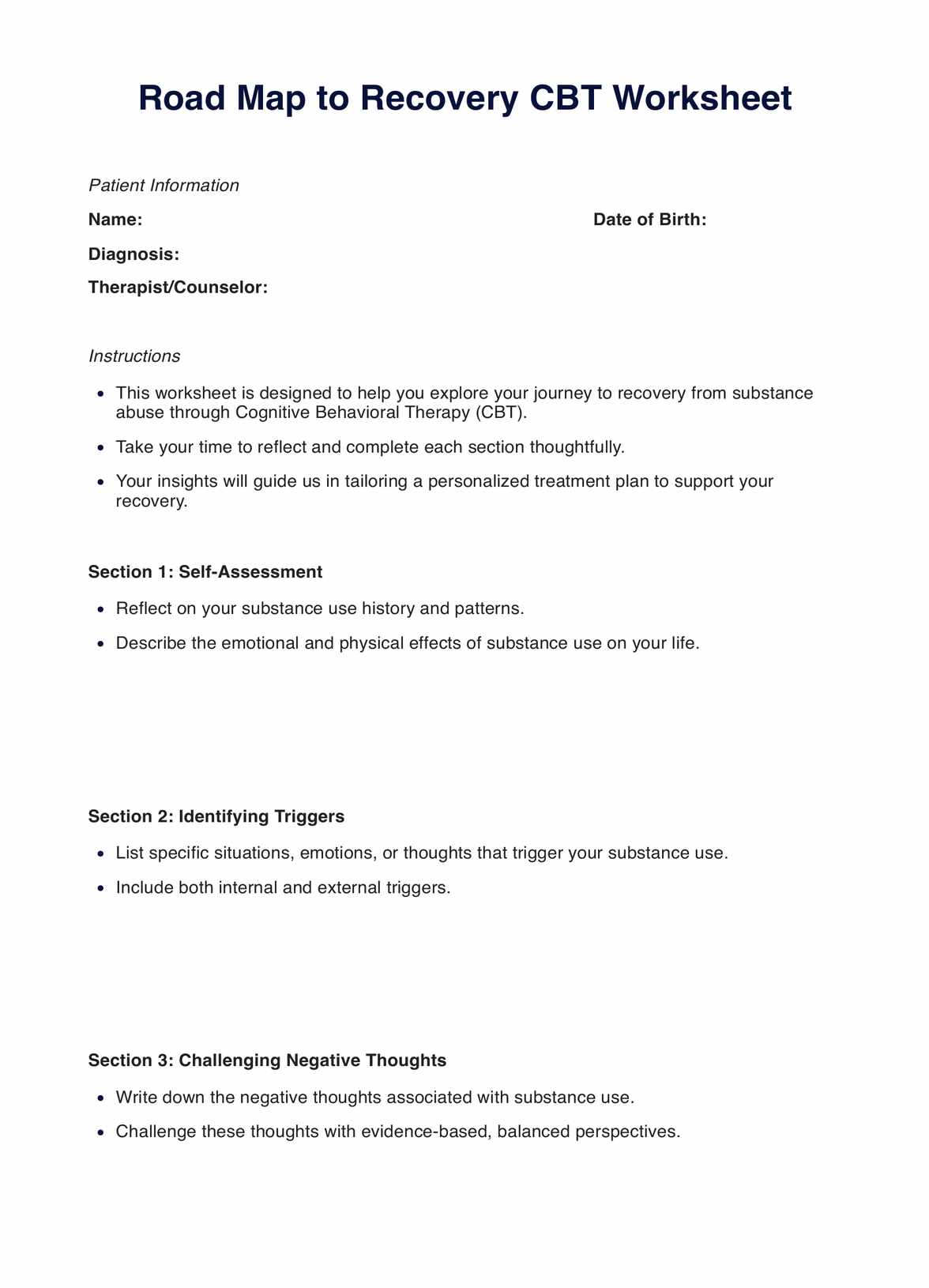
Patients with their therapists chart a course towards recovery. This collaborative process empowers individuals, giving them a clear vision and motivation to work towards a substance-free life.
CBT isn't merely a short-term fix. It empowers individuals with the ability to recognize early warning signs of relapse and arm themselves with strategies to prevent it. Individuals become architects of long-term recovery by acknowledging high-risk situations and practicing effective coping strategies.









