
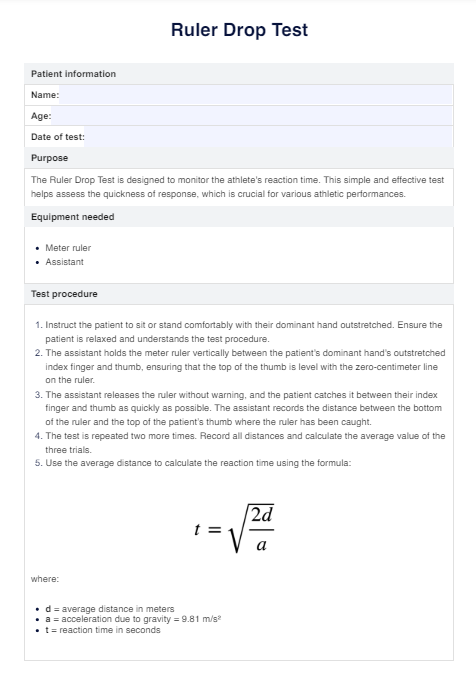




What is reaction time?
Reaction time refers to the interval between the stimulus’s presentation and the motor response’s initiation. It is a critical measure of how quickly an individual can respond to a given stimulus, encompassing brain processes, sensory processing, decision-making, and motor response, all coordinated by the nervous system. This measure is essential in everyday activities and crucial in sports and other high-performance activities where quick reactions can mean a significant difference between success and failure.
Several factors can influence an individual's reaction time, including age, gender, physical fitness, and the complexity of the stimulus. One critical element that enhances reaction time is muscle memory, which is developed through repeated assessment and practice. Muscle memory allows movements to become more automatic and less reliant on conscious thought, helping to speed up the response time.
Why is it important for athletes to have good reaction time?
Good reaction time is essential for athletes because it directly impacts performance and safety. Quick reaction times enable athletes to respond rapidly to opponents, changes in the environment, or unexpected events during a game or competition. This responsiveness is crucial in basketball, soccer, tennis, and martial arts, where split-second decisions can significantly influence the outcome.
That's why practicing specific drills can help athletes develop new physical skills, which in turn can improve their reaction times. Additionally, good reaction time helps avoid injuries by allowing athletes to react swiftly to potential hazards or collisions.
Health issues and injuries that impact reaction time
Several health issues and injuries can adversely affect reaction time. Here are some specific factors that impact reaction time:
- Arthritis: Limits joint mobility, slowing physical reactions.
- Concussions: Impair cognitive function, leading to slower motor responses.
- Neurological disorders: Conditions like multiple sclerosis and Parkinson's disease disrupt nerve signaling.
- Musculoskeletal injuries: Sprains, strains, and fractures restrict movement and delay responses.
- Chronic conditions: Diabetes affects nerve function, resulting in slower reactions.
- Vision impairments: Reduce the ability to detect and respond to stimuli quickly.
- Fatigue and sleep disorders: Lower overall cognitive and motor performance.









