
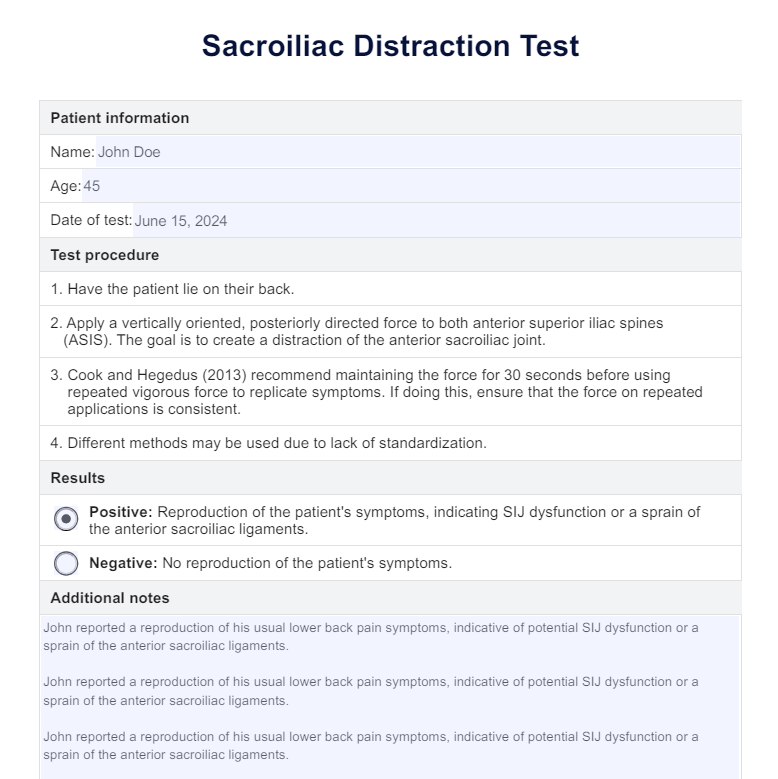




What are sacroiliac sprains and dysfunctions?
Sacroiliac sprains and dysfunctions involve the impairment or injury of the sacroiliac joints, which link the spine to the pelvis. These conditions can result from acute trauma or chronic stress affecting these joints. Sacroiliac dysfunctions can disrupt the normal movement mechanics of the pelvis and spine, leading to pain and reduced mobility.
Common symptoms of such sprains and dysfunctions
Symptoms of sacroiliac joint (SIJ) dysfunction typically include:
- Lower back pain that can extend to the hips and legs
- Pain that worsens with standing or moving from sitting to standing
- Stiffness or a burning sensation in the pelvis
- Instability in the pelvis and lower back, feeling as if the legs might buckle
What are their causes?
The causes of a painful sacroiliac joint are varied, often involving a mix of physical stress and biological changes:
- Physical trauma: Traumatic events such as falls, vehicle accidents, or any direct impact on the lower back or pelvis can lead to sacroiliac joint dysfunction. These incidents can disrupt the normal alignment and function of the sacroiliac joints, resulting in pain and limited mobility.
- Repetitive stress: Regular engagement in activities that place continuous pressure on the sacroiliac joints—such as jogging, stair climbing, or extensive periods of standing—can precipitate sacroiliac joint dysfunction. These activities stress the joints and surrounding ligaments, potentially leading to inflammation and pain.
- Pregnancy: During pregnancy, the body undergoes significant hormonal changes that relax ligaments to prepare for childbirth. These changes and increased body weight can strain the sacroiliac joints, increasing the risk of sprains and dysfunctions.
- Arthritis: Osteoarthritis and other degenerative joint diseases can degrade the cartilage in the sacroiliac joints, leading to pain and stiffness. The bones may rub together as the protective cartilage wears down, causing further discomfort and joint damage.
Incorporating sacroiliac pain provocation tests and specific sacroiliac joint tests into a diagnostic routine can help pinpoint the exact cause of symptoms, guiding more effective treatment strategies.









