




What is sarcopenia?
Losing muscle mass is normal with age and can, in fact, start as early as the 30s. Low muscle mass can affect daily physical functions like standing, walking, and carrying items. However, some people may experience this in a rapid fashion, which is known as sarcopenia, a serious condition that significantly affects quality of life by causing involuntary loss of muscle mass and strength.
Sarcopenia symptoms
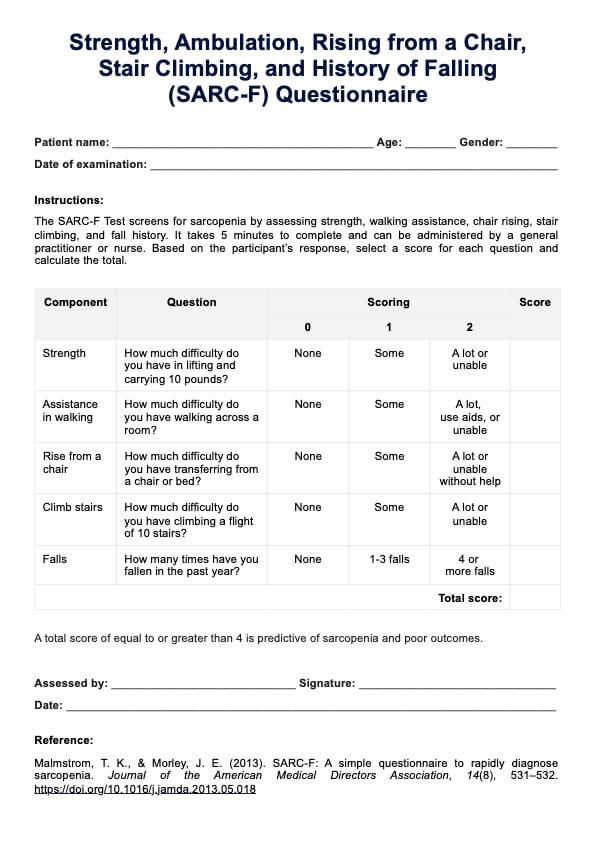
It is important to advise individuals, especially elderly patients, to watch for signs of sarcopenia, which can lead to poor functional outcomes and reduced physical performance. Symptoms include (Duque et al., 2024; Office on Women's Health, 2023):
- Falling
- Muscle weakness
- Slow walking speed
- Difficulty with daily activities (e.g., rising from a chair, opening a jar)
- Self-reported muscle wasting
Body mass index (BMI) is also used to assess individuals' nutritional condition and health status, which can be a factor in sarcopenia.
Risk factors and causes of sarcopenia
As mentioned earlier, sarcopenia comes with age-related factors. The European Working Group on Sarcopenia in Older People (EWGSOP) defined age-related sarcopenia. In 2010, it was initially recommended that the diagnosis be made by identifying both low muscle mass and poor muscle function (strength or performance). However, EWGSOP's updated consensus in 2019 emphasizes low muscle strength as a key feature of sarcopenia (Cruz-Jentoft et al., 2018; Wallengren et al., 2021).
Worldwide, 10-16% of the aging population is affected by sarcopenia, with a higher prevalence in certain patient groups. In diabetic patients, it ranges from 18% to 66% in those with advanced esophageal cancer (Yuan & Larsson, 2023). Causes and risks of sarcopenia can be classified into three: age-related factors, lifestyle factors, and chronic diseases.
Age-related changes include lower hormone levels and a reduced ability to convert protein into muscle. Concurrently, lifestyle factors such as inactivity, lack of exercise, loss of mobility, and dental and oral problems can further exacerbate health issues. Additionally, chronic conditions like bone and joint diseases, endocrine diseases, cancer, and cardiovascular disease also serve as risk factors for sarcopenia (Aging in Motion, n.d.).
Problems sarcopenia may lead to due to muscle mass loss
Sarcopenia can lead to several adverse outcomes. It often causes weakness and frailty, which can make everyday tasks like climbing stairs difficult. This loss of muscle strength increases the risk of falls and fractures, which can greatly influence an individual's mobility and independence. Additionally, sarcopenia can contribute to poor posture and balance issues, further complicating physical activity and overall quality of life. Addressing sarcopenia is crucial, as it affects not only physical function but also has significant implications for overall health and longevity.









