




What is schizoaffective disorder?
Schizoaffective disorder is a chronic mental health condition characterized by a combination of psychotic symptoms, such as hallucinations or delusions, and mood symptoms, such as depression or mania.
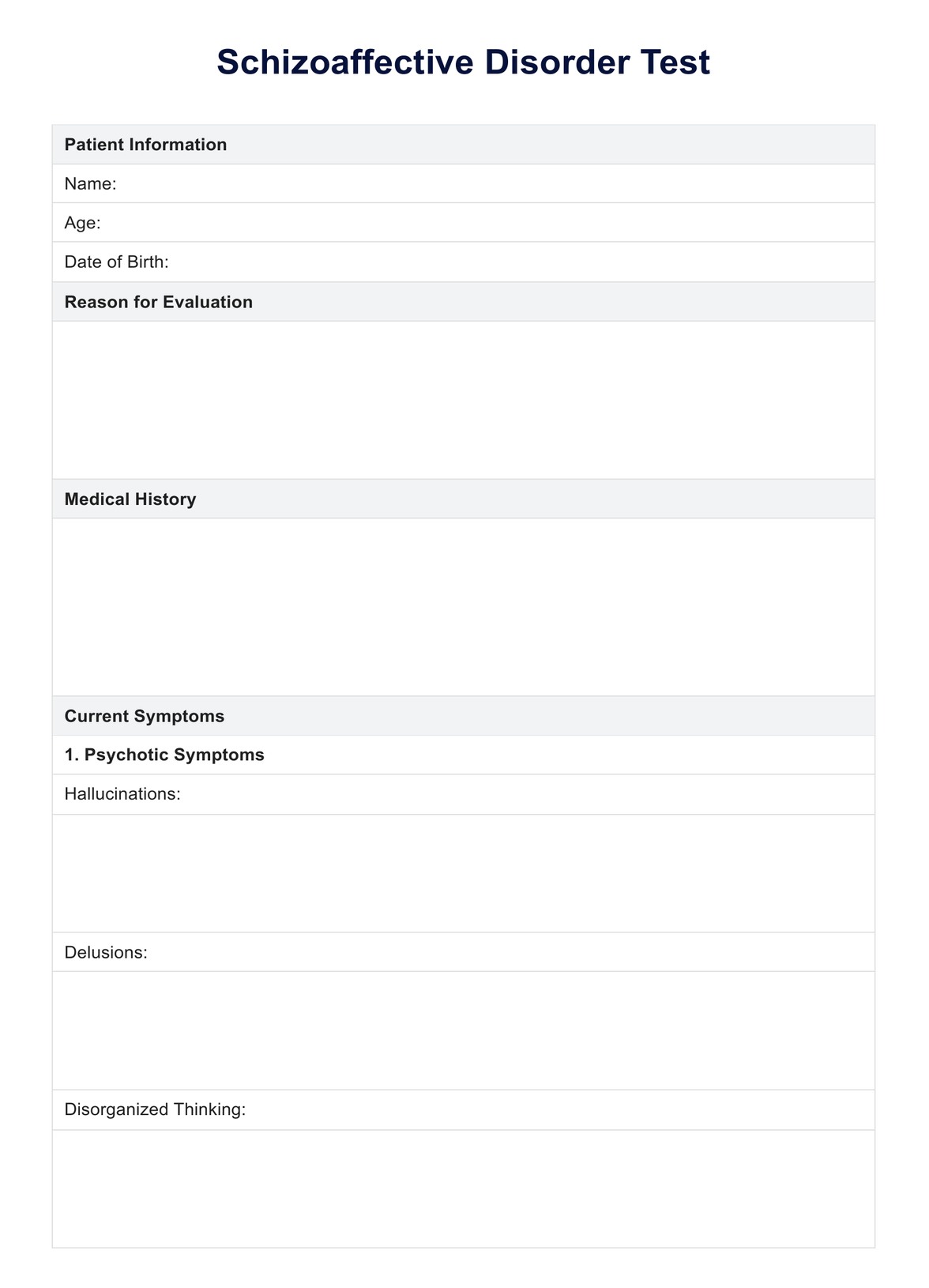
It falls under the spectrum of mental health disorders and is classified in the Diagnostic and Statistical Manual of Mental Disorders (DSM) by the American Psychiatric Association. The diagnostic criteria typically involve a psychiatric evaluation, including a thorough medical history, physical examination, and laboratory tests to rule out other medical conditions or substance use disorders.
Symptoms of schizoaffective disorder can vary widely but often include disordered thinking, disorganized speech, and emotional expression. Individuals may experience frequent relapses and severe symptoms and may have an increased risk if there's a family history of the disorder. Onset often occurs in early adulthood.
Diagnosis involves differentiating between schizophrenia and schizoaffective disorder, as well as mood disorders like major depressive disorder or bipolar disorder. This process may require further evaluation and consideration of symptoms and family history.
Treatment options typically include a combination of medication, such as mood stabilizers or antipsychotics, and psychotherapy, such as individual or group therapy, family therapy, or cognitive-behavioral therapy.
Other interventions like social skills training, support groups, and environmental factors also play a role in managing symptoms and reducing relapses. In some cases, treatments like electroconvulsive therapy may be considered.









