
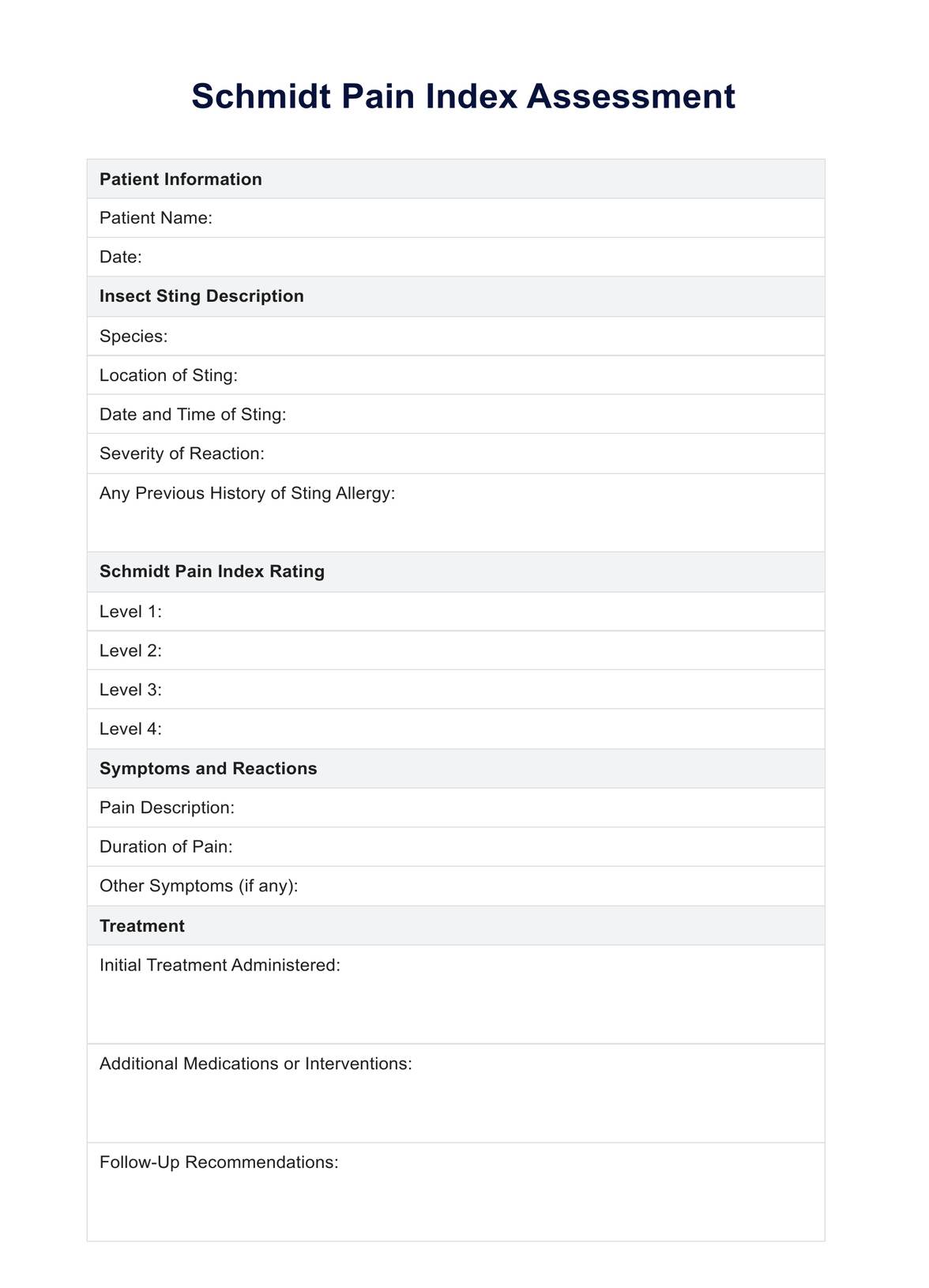




What are insect stings?
Insect stings are defensive mechanisms used by certain insects, primarily bees, wasps, hornets, ants, and some species of caterpillars, to protect themselves or their colonies from perceived threats. These stings typically inject venom into the victim's skin, causing a painful or irritating reaction. The venom composition varies between species and can elicit different human responses, ranging from mild discomfort to severe allergic reactions.
The anatomy of an insect sting usually involves a specialized structure such as a stinger, a modified ovipositor, or a modified egg-laying organ. When the insect feels threatened, it thrusts its stinger into the skin of the perceived aggressor, releasing venom from venom glands near the stinger's base.
The effects of insect stings can vary widely depending on factors such as the type of insect, the amount of venom injected, and the individual's sensitivity or allergic response. Common symptoms of insect stings include localized pain, swelling, redness, and itching at the sting site. In more severe cases, individuals may experience systemic reactions such as difficulty breathing, nausea, vomiting, dizziness, or anaphylaxis, which can be life-threatening and require immediate medical attention.
Preventive measures such as avoiding known insect habitats, wearing protective clothing, and using insect repellents can help reduce the risk of insect stings. Additionally, prompt antihistamines, corticosteroids, or epinephrine treatment may alleviate symptoms and prevent complications in individuals allergic to insect venom.
What particular insect stings are dangerous and life-threatening?
Several insect stings are considered dangerous and can pose life-threatening risks, especially for individuals allergic to their venom. Some of the most notable include:
- Honeybees: While honeybee stings are generally not life-threatening for most people, individuals allergic to bee venom can experience severe allergic reactions, including anaphylaxis.
- Yellowjackets: Yellowjackets are aggressive wasps known for their painful stings. Their venom can cause severe allergic reactions and anaphylaxis in sensitive individuals.
- Hornets: Hornets, particularly species like the Asian giant hornet (Vespa mandarinia), deliver potent venom that can cause significant tissue damage and systemic reactions. Stings from these giant hornets can be particularly dangerous.
- Fire ants: Fire ants are notorious for their painful stings and venom that can cause severe allergic reactions in sensitive individuals. Fire ant stings can lead to anaphylaxis, especially in people who have been stung multiple times.
- Bullet ants: Found in Central and South America, bullet ants possess one of the most painful stings in the insect world. While not typically life-threatening, their stings can cause intense pain and systemic symptoms.
For individuals with known allergies to insect venom, even stings from less potent insects like bees or wasps can be life-threatening and require immediate medical attention, including epinephrine.









