Examples of self-care activities
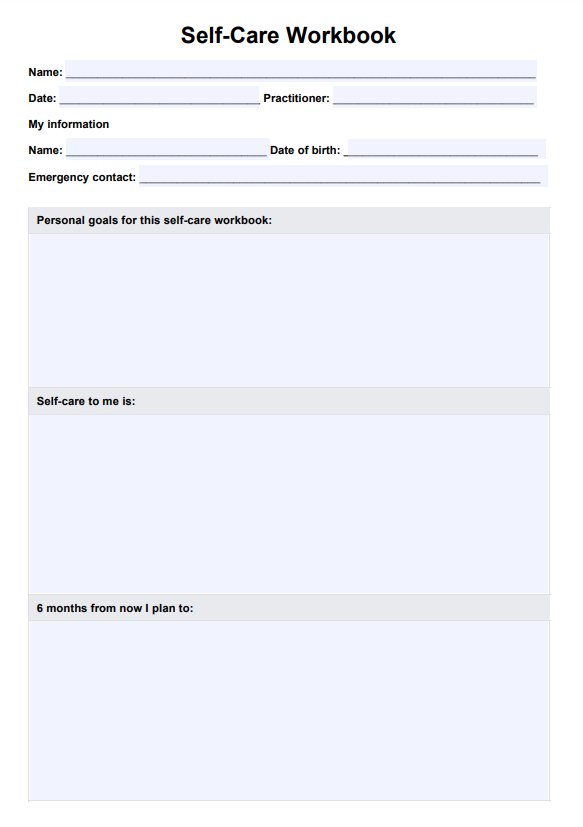
There are a range of self-care activities that you can suggest to your clients or even explore with them during your sessions together. Here are a few examples:
Exercise
Exercise is an essential form of self-care. This activity benefits an individual's physical well-being and mental and emotional aspects. According to the Mental Health Foundation (2023), physical activity can support an increase in energy levels and mental alertness and a shift towards a positive mindset. Exercise can consist of running and walking, which most people typically engage in.
Mindfulness meditation
Individuals who are more in tune with their mental, emotional, and spiritual health may engage in mindfulness meditation. These interventions usually have various benefits, including cognitive, psychological, and physical well-being. Mindfulness interventions help prevent stress and burnout. Mindfulness meditation may include self-compassion, gratitude, and other activities, such as reaching out to friends and family (Sawyer, 2023).
Reading
Reading has many benefits that can support overall positive well-being. When reading, individuals can develop skills such as empathy and imagination, improve sleep, and decompress. Especially when things might be difficult, reading supports being able to focus on something else. This can be helpful for those who find themselves living with upsetting psychological concerns such as depression and social anxiety.
Hobbies
Hobbies are often forgotten when it comes to practicing self-care. Dedicating time to activities clients enjoy is a vital part of their self-care ritual. Hobbies are great when it comes to self-help. This is because they are personal. These activities are often really engaging, allowing individuals to decompress and find inspiration elsewhere in their lives.
Hobbies may include knitting, baking, gardening, being in nature, painting, going to the gym, and reading. Creating something can also help individuals focus on something else and feel happy about the result.
Other ideas
It's important to remember that self-care looks different to everyone. What works for some clients might not be helpful for others. It is about supporting clients in balancing the things they enjoy doing with their everyday requirements, ensuring they are a sustainable way to enhance build their coping skills and create balance.