
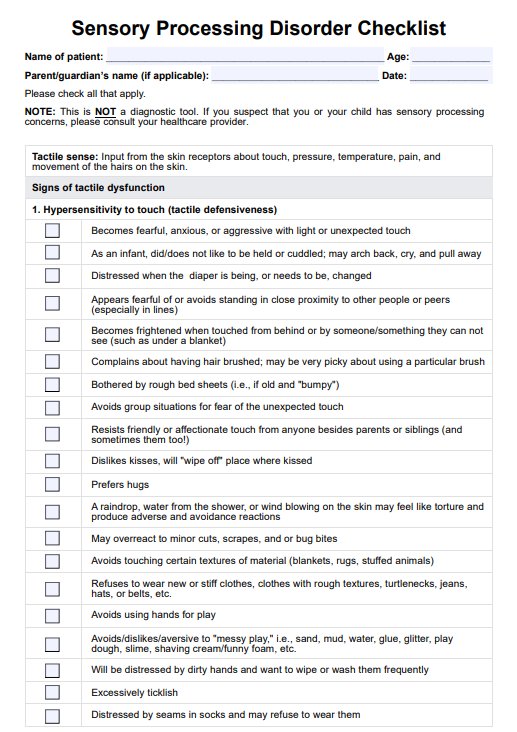




Understanding sensory processing disorder (SPD)
The nervous system processes sensory input to help individuals react and adapt to their surroundings. In those with sensory processing disorder (SPD), the brain struggles to organize and interpret this information, resulting in unusual responses to stimuli. These can include being over- or under-responsive to sensory input like sound, touch, or movement, leading to challenges with everyday tasks.
SPD can be classified into three types: sensory modulation disorder, sensory-based motor disorder, and sensory discrimination disorder. These impact motor skills, balance, and sensory responses. Early identification and intervention, such as sensory diets and therapy, can improve development and overall functioning.
Healthcare professionals, especially occupational therapists, play a crucial role in identifying SPD and providing strategies that help individuals manage sensory challenges and improve their daily lives.









