
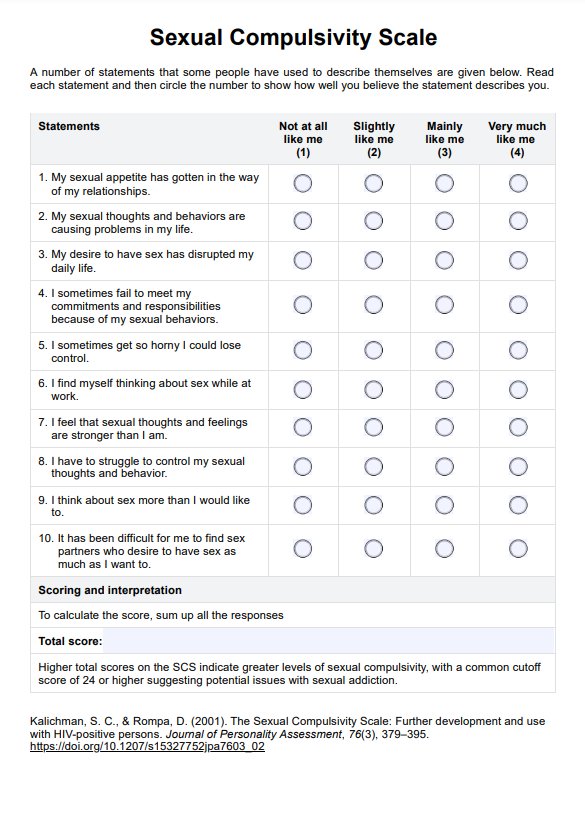




What is sexual addiction?
Sexual addiction, also known as hypersexuality, is characterized by an overwhelming preoccupation with sexual thoughts, urges, or behaviors. These compulsive sexual behaviors can severely impact one’s daily life, relationships, work, and mental health. Understanding sexual addiction and compulsivity is crucial for identifying and managing the associated risks and complications.
Causes of excessive sexual behaviors
Sensation-seeking and sexual compulsivity can be caused by a variety of complex factors that interact with one another, including:
- Biological: An imbalance in brain chemicals, particularly neurotransmitters like dopamine and serotonin, can lead to compulsive sexual behavior. These chemicals play crucial roles in regulating mood and pleasure, and their dysregulation may create a cycle where individuals seek out sexual experiences to achieve temporary relief or satisfaction.
- Psychological: Individuals may develop sexual addiction as a response to past trauma, including abuse or neglect. Additionally, underlying mental health issues such as depression, anxiety, or obsessive-compulsive disorder can contribute to the compulsive pursuit of sexual activities as a coping mechanism.
- Social: Exposure to hypersexual environments, whether through media, peer influence, or unhealthy relationships, can normalize excessive sexual behavior. This constant exposure may lead individuals to adopt similar behaviors, blurring the lines between healthy sexual expression and addiction.
Symptoms of compulsive sexual behavior
Individuals experiencing sexual addiction may exhibit a range of symptoms that can significantly affect their lives:
- Persistent sexual fantasies, sexual impulses, and sexual feelings dominate thoughts, often leading to distraction and difficulty concentrating on other tasks.
- Difficulty controlling sexual thoughts and behaviors, resulting in impulsivity that overrides rational decision-making.
- Neglecting responsibilities, including work, family, and personal health, in favor of engaging in sexual activities or trying to find sex partners can lead to serious life disruptions.
- Engaging in risky sexual behaviors, such as unprotected sex or infidelity, can endanger not only their health but also their relationships, especially when involving multiple sexual partners or sex partners.
- Feelings of guilt or shame after sexual activities create a damaging cycle where the individual seeks more sexual experiences to escape negative feelings, only to feel worse afterward.
Risks of compulsive sexual sensation-seeking
Sexual addiction carries numerous risks that can have far-reaching consequences, including:
- Health risks: There is an increased likelihood of contracting sexually transmitted infections (STIs) due to reckless behaviors, as well as the possibility of unwanted pregnancies that can lead to emotional and financial stress. Maintaining a safe sexual practice becomes difficult when addiction takes precedence.
- Mental health: Heightened feelings of isolation can arise, as individuals may withdraw from social interactions and relationships. This isolation can exacerbate existing feelings of depression and anxiety, creating a downward spiral that is challenging to escape.
- Social and occupational: Strained relationships with family, friends, and partners can occur due to the prioritization of sexual activities over meaningful connections. Additionally, the potential for job loss emerges as neglected duties and responsibilities take a toll on professional performance, further contributing to feelings of inadequacy and distress.
Understanding the multifaceted nature of sexual addiction is crucial for those affected and for loved ones seeking to provide support.









