
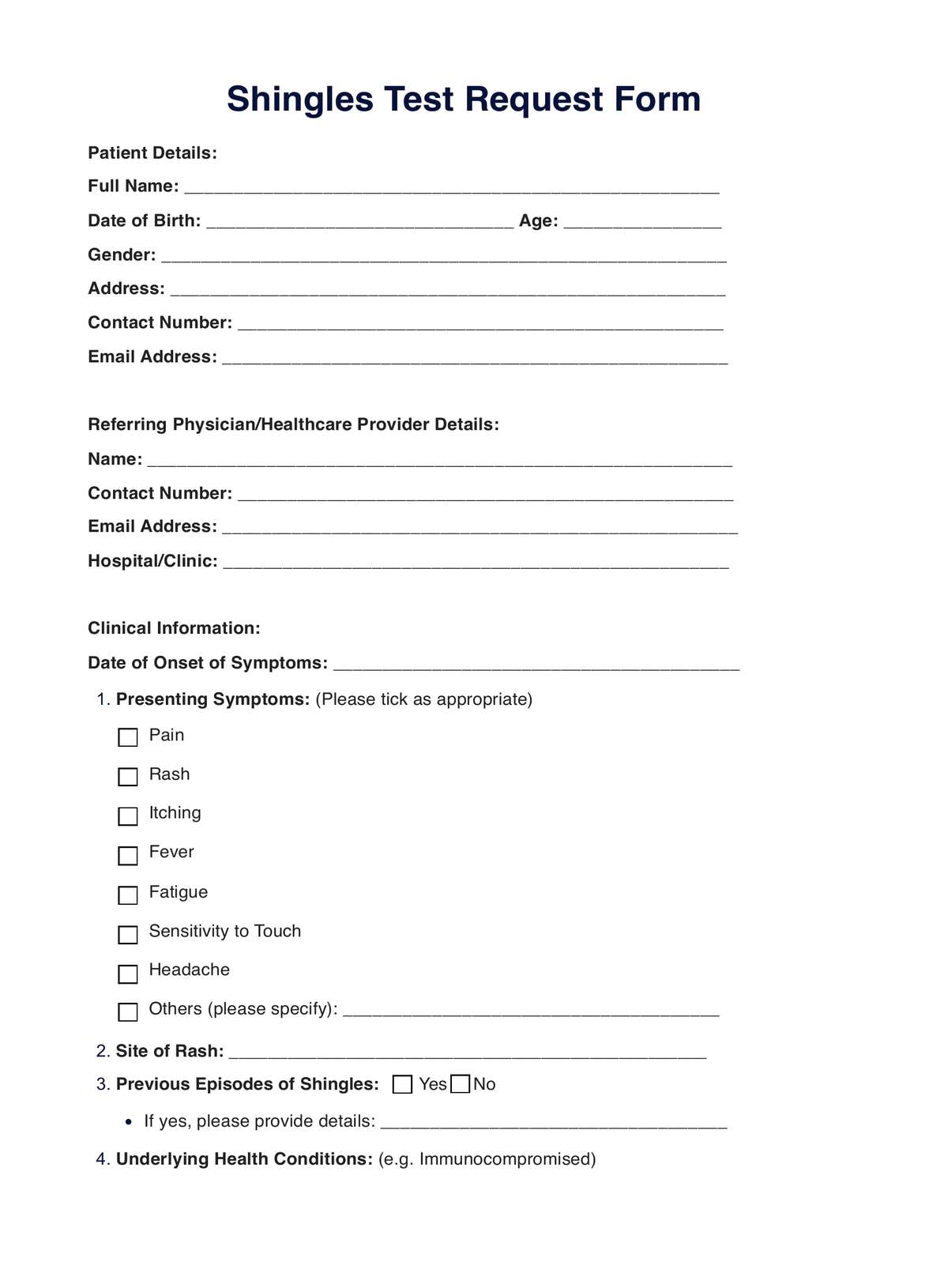




What is a Shingles Test?
A shingles test is a crucial medical procedure designed to detect the presence of the Varicella-Zoster Virus (VZV), the causative agent for chickenpox and shingles. This diagnostic tool holds significant importance in the medical field as it enables early virus detection, paving the way for timely and effective treatment.
Early diagnosis through a shingles test can significantly mitigate the risk of severe complications such as postherpetic neuralgia, a painful condition resulting from nerve damage caused by shingles. This ailment can lead to intense nerve pain that can persist long after the shingles rash has cleared up, making early detection and treatment paramount.
The shingles test comes in various forms, each with its unique methodology. These include viral cultures, direct fluorescent antibody (DFA) tests, and polymerase chain reaction (PCR) tests. A viral culture involves collecting a sample from the rash and attempting to grow the virus in a lab.
DFA tests involve applying a fluorescent dye to a sample, which attaches to specific proteins if VZV is present. Meanwhile, PCR tests are highly sensitive and detect small amounts of VZV DNA in a sample.
Each of these tests contributes to a comprehensive understanding of the patient's condition and assists in tailoring an effective treatment plan.









