




What is Trauma and PTSD?
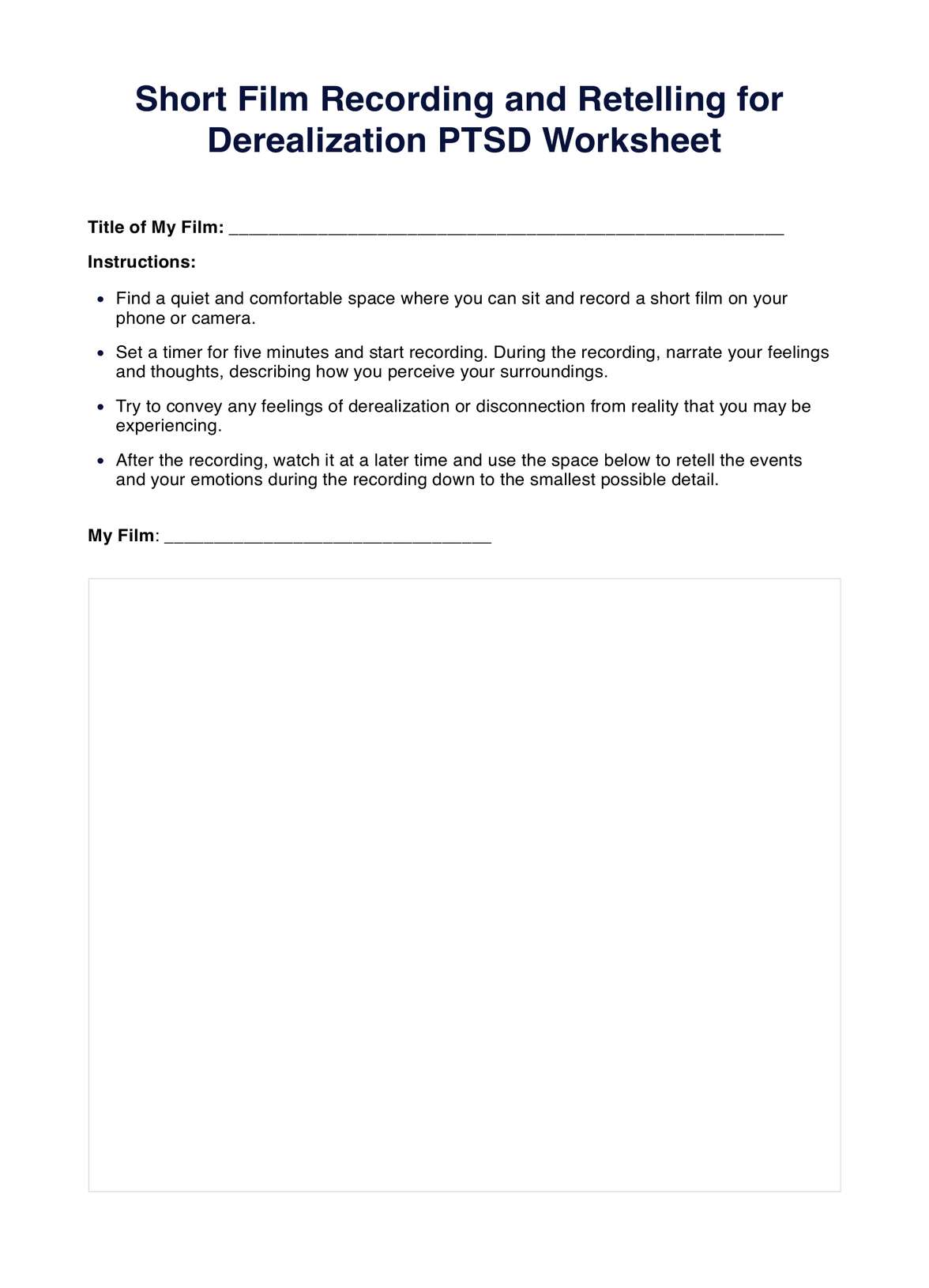
Derealization is a distressing symptom commonly associated with Post-Traumatic Stress Disorder (PTSD). It involves a profound sense of detachment from one's surroundings as if the world has become unreal or distorted. Individuals experiencing derealization often feel like they are in a dream, where objects and people appear distant, colors seem muted, and sounds are muffled. This unsettling dissociation from reality is often triggered by reminders of traumatic events, serving as a temporary coping mechanism to escape overwhelming emotions or distressing memories.
Trauma is a psychological and emotional response to a deeply distressing or disturbing event. It can result from various experiences, such as accidents, abuse, violence, or natural disasters. Trauma can overwhelm an individual's coping ability and lead to long-lasting emotional and psychological effects.
PTSD, is a specific mental health condition that can develop in the aftermath of a traumatic event. Many symptoms, including intrusive thoughts, flashbacks, nightmares, hypervigilance, and emotional numbing characterize it. Derealization often accompanies PTSD as part of the dissociative symptoms, further complicating an individual's ability to process and recover from traumatic experiences. Effective treatment for PTSD typically involves therapy, such as cognitive-behavioral therapy (CBT) and medication, to help individuals manage their symptoms and regain control over their lives.









