
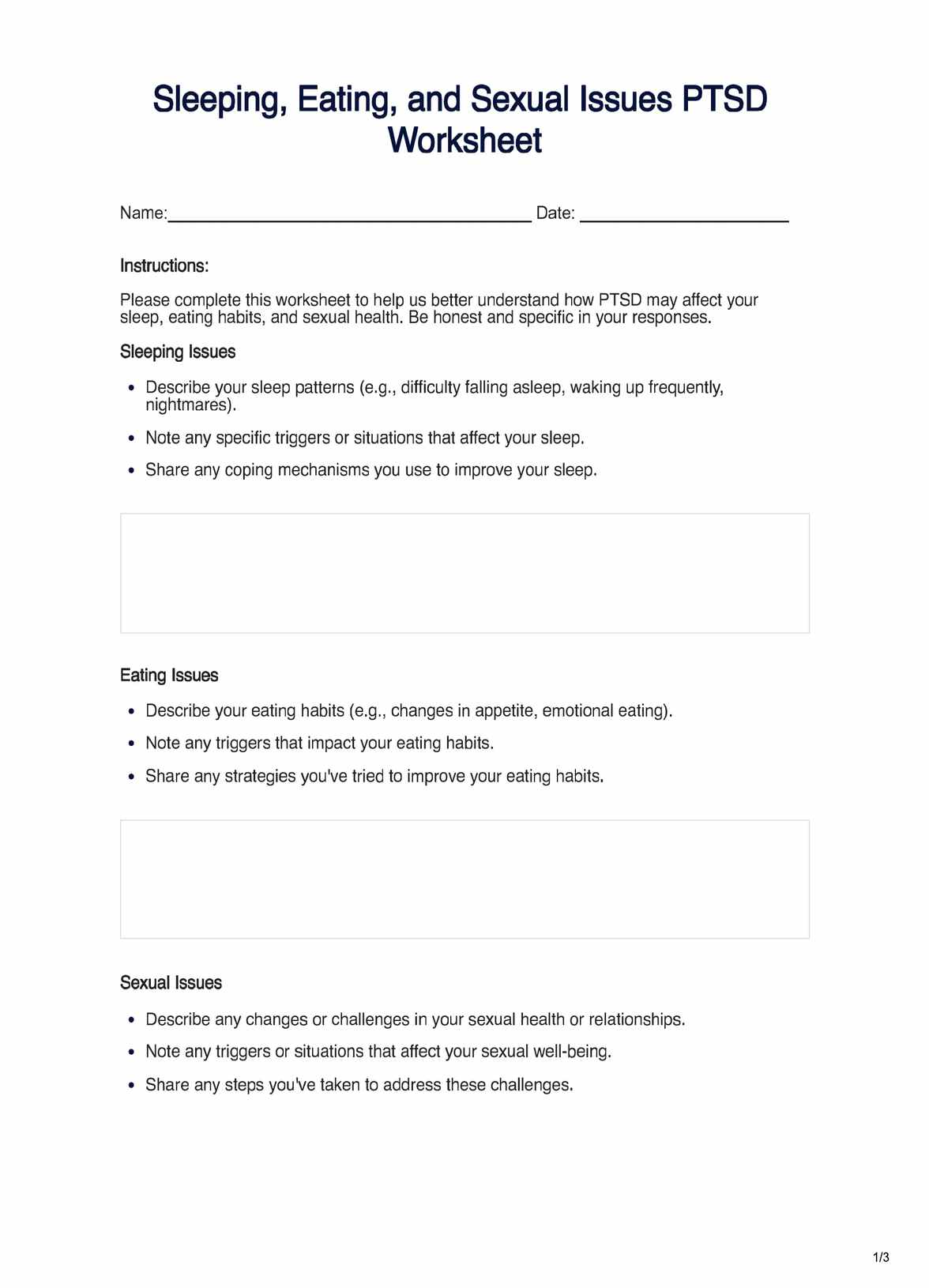




What is Trauma and PTSD?
Trauma refers to the emotional and psychological response to highly distressing or disturbing events that can leave lasting scars on an individual's mental and physical health. These events encompass a broad spectrum, ranging from natural disasters and accidents to violence, abuse, and combat experiences. Trauma often triggers a profound sense of helplessness and can result in emotional and psychological symptoms.
Post-Traumatic Stress Disorder (PTSD) is a mental health condition that can emerge after trauma. It is marked by symptoms that persist well beyond the traumatic incident. These symptoms may include intrusive and distressing memories, nightmares, heightened anxiety, avoidance of trauma reminders, and negative changes in one's mood and thought patterns.
PTSD can significantly disrupt an individual's daily life, relationships, and well-being. However, effective treatments are available, typically involving therapy and, in some instances, medication.
Electronic Health Records (EHRs) serve as vital tools in managing PTSD. These digital records comprehensively , encompassing their mental health information. EHRs enable healthcare providers to monitor the progress of individuals dealing with PTSD, track their symptoms, and ensure they receive the appropriate care and support.
For a deeper understanding of how EHRs are instrumental in addressing and mental health management, you can explore the Carepatron website. Recognizing the synergy between EHRs and mental health care is crucial in delivering comprehensive and practical support to those navigating the challenges of PTSD.









