
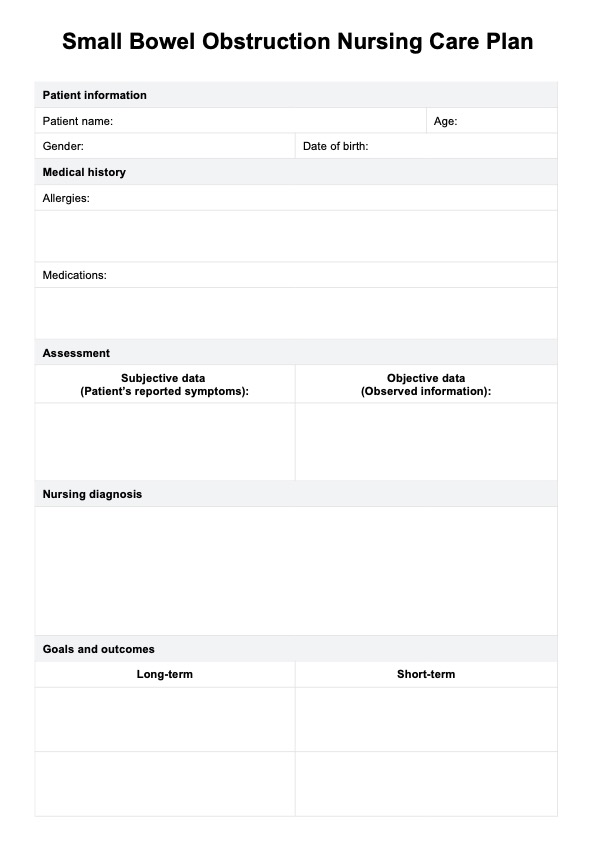




What is small bowel obstruction?
A small bowel obstruction is a blockage in the small intestine that prevents the normal passage of digestive contents. This obstruction can be partial or complete, hindering the movement of food, fluids, and gas through the intestines. Common causes include:
- Adhesions: Scar tissue from previous surgeries or infections that can constrict the intestine.
- Hernias: Portions of the intestine push through weakened areas in the abdominal wall.
- Tumors: Abnormal growths that obstruct the bowel.
- Inflammatory conditions: Diseases like Crohn's disease that cause swelling and narrowing of the intestine.
Symptoms of a small bowel obstruction include:
- Abdominal pain and cramping
- Bloating and distension
- Nausea and vomiting
- Inability to pass gas or stool
Treatment typically involves hospitalization, the approach of which depends on the severity of the obstruction. Non-surgical methods include nasogastric tube insertion to relieve pressure, IV fluids, and bowel rest. Surgery may be required if there is a complete blockage or if complications like strangulation or bowel perforation occur. Prompt medical attention is crucial to prevent serious complications.
What are the complications of a small bowel obstruction?
Complications of a small bowel obstruction can be serious and may include:
- Bowel strangulation: A portion of the intestine loses blood supply, which can lead to tissue death (necrosis). This is a medical emergency and requires immediate surgery.
- Perforation: The bowel wall may rupture due to pressure buildup, leading to a hole in the intestine. This can cause intestinal contents to leak into the abdominal cavity, resulting in peritonitis (a severe infection of the abdominal lining).
- Infection: A severe infection can occur if the obstruction causes perforation or tissue death, spreading bacteria into the bloodstream.
- Electrolyte imbalance: Vomiting and inability to absorb fluids can lead to dehydration and imbalances in electrolytes, affecting overall health and organ function.
- Aspiration: Vomiting associated with an obstruction can lead to aspiration, where stomach contents are inhaled into the lungs, causing respiratory complications.
- Prolonged obstruction: If the obstruction persists, it can lead to chronic pain, malnutrition, and weight loss due to inadequate nutrient absorption.









