




What is social anxiety treatment?
Social anxiety treatment involves a range of strategies aimed at managing and alleviating the symptoms of social anxiety disorder. This condition, characterized by intense fear and avoidance of social situations, can significantly impact an individual’s daily life and overall mental health. Treating social anxiety disorder typically involves a combination of psychological and pharmacological interventions. Cognitive-behavioral therapy (CBT) is a common approach for this common mental health condition focusing on changing negative thought patterns and behaviors through techniques like social skills training. Additionally, selective serotonin reuptake inhibitors (SSRIs) are often prescribed to help manage the physical and anxiety symptoms of anxiety by balancing neurotransmitters in the brain.
Mental health professionals, including therapists and psychiatrists, play a crucial role in developing a tailored treatment plan for these mental health conditions. They help individuals identify their triggers, work through fears, and develop coping strategies. It's important for those experiencing anxiety disorders or other mental disorders to seek treatment early to prevent the condition from worsening. Both psychological therapies and anti-anxiety medications can be effective, and combining these approaches often provides the best outcomes. Addressing social anxiety disorder requires a comprehensive plan, and consulting with mental health professionals can guide individuals toward the most effective treatments for their needs.
What is a Social Anxiety Treatment Plan?
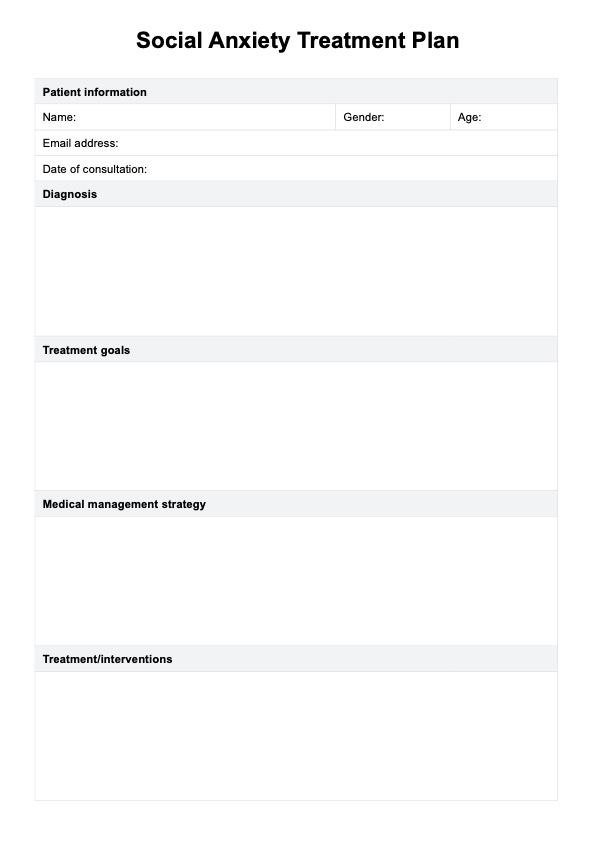
A Social Anxiety Treatment Plan is a structured plan designed to help people with social anxiety manage and overcome social anxiety disorder, also known as social phobia. This plan typically includes a combination of therapeutic strategies tailored to address the symptoms of social anxiety. Treating social anxiety disorder through cognitive restructuring often involves working with a mental health professional to incorporate techniques like cognitive therapy and social skills training, aimed at reducing anxiety and improving social functioning.
The treatment plan may also include strategies for addressing anxiety disorders more broadly, ensuring a comprehensive approach to mental health. Mental health professionals use these plans to guide treatment, monitor progress, and adjust interventions as needed to effectively manage social anxiety symptoms and improve overall quality of life.









