
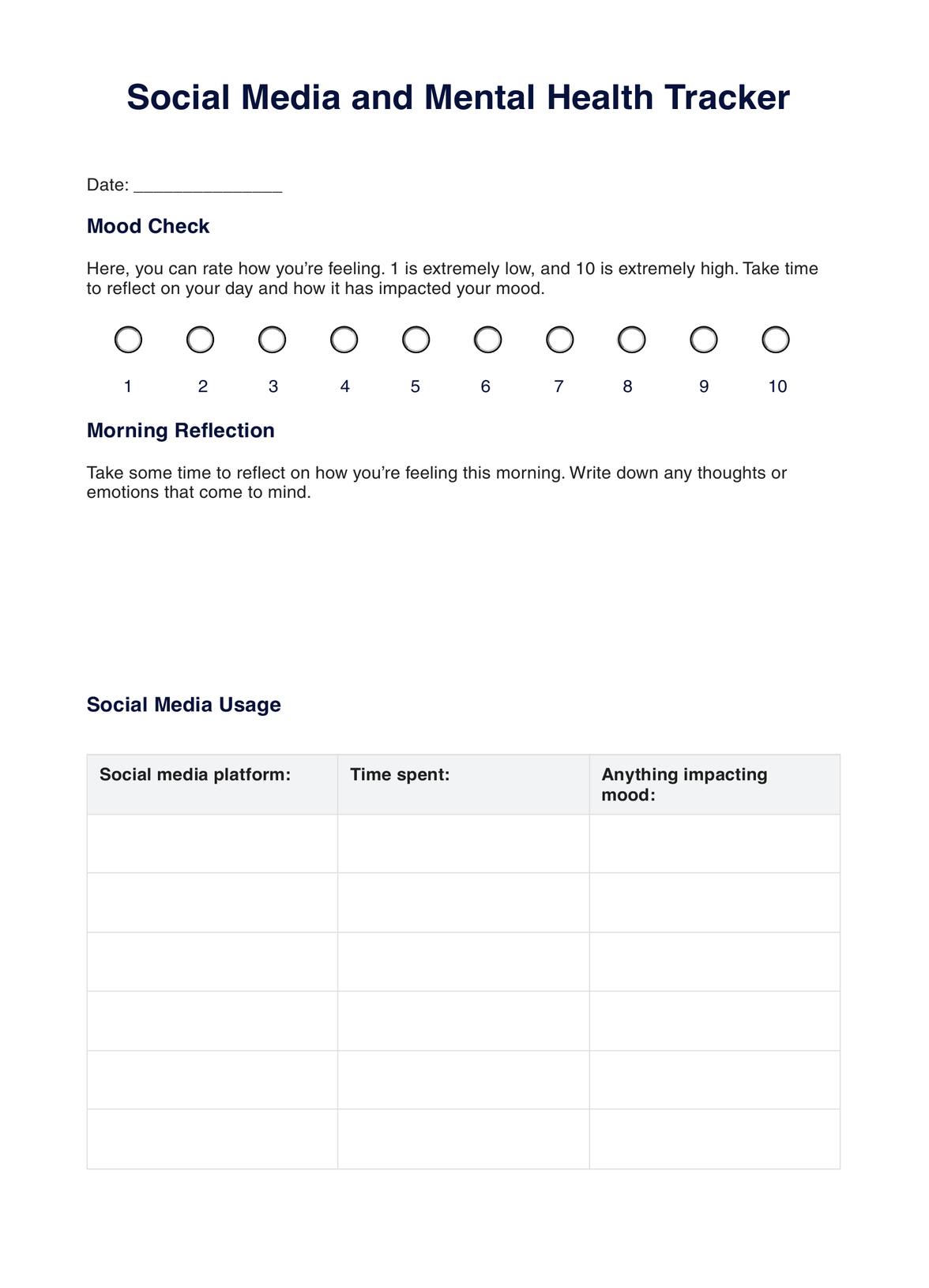




What is the role social media plays in mental health?
In this ever-changing world, social media plays a vital role in people's lives. Whether you utilize social media to navigate work meetings, long-distance relationships with others, or even as a pass time to wind down for the day - social media is arguably the most accessible platform to gain a hold of. This means it's essential to recognize the significant hit mental health can take when it is overutilized.
Social media is often in the line of fire when it comes to understanding the causes of mental health issues. There have been immense studies that look to blame the use of technology for the increase in mental health concerns around the globe, with a recent survey conducted by Beyari (2023) suggesting that social media and technology usage can have a significant impact on mental well-being.
Social media has many positive and negative impacts on the mental well-being of individuals. It allows people to connect and express their individuality when absent. However, it can also have some detrimental consequences, such as feeling like it is taking over their life and problems associated with technology, such as cyberbullying.
It's essential to recognize the importance of maintaining a good balance with social media. Ensure you are keeping track of how you feel when consuming content and being mindful of how much time you spend on social media platforms during the day and evening.
Social media addiction is a real problem we should all work together to tackle. Understanding the balance between a good amount of digital and problematic social media use can be the difference between good mental well-being and bad.
In this guide, we'll discover some positive and negative aspects of social media and how you can support your clients in understanding their tolerance for content consumption and being aware of how the content impacts their mental health and if they need emotional support.









