




What is Cognitive Behavioral Therapy?
Cognitive Behavioral Therapy (CBT) is a widely recognized form of psychological treatment, proven effective for many conditions. These include depression, anxiety disorders, alcohol and drug use problems, marital issues, eating disorders, and severe mental illness.
CBT aids patients in understanding the thoughts and feelings influencing their behaviors. It's founded on the principle that our thoughts, feelings, and behaviors are intricately linked and that modifying one can positively impact others. It's a problem-oriented strategy concentrating on current issues and their solutions.
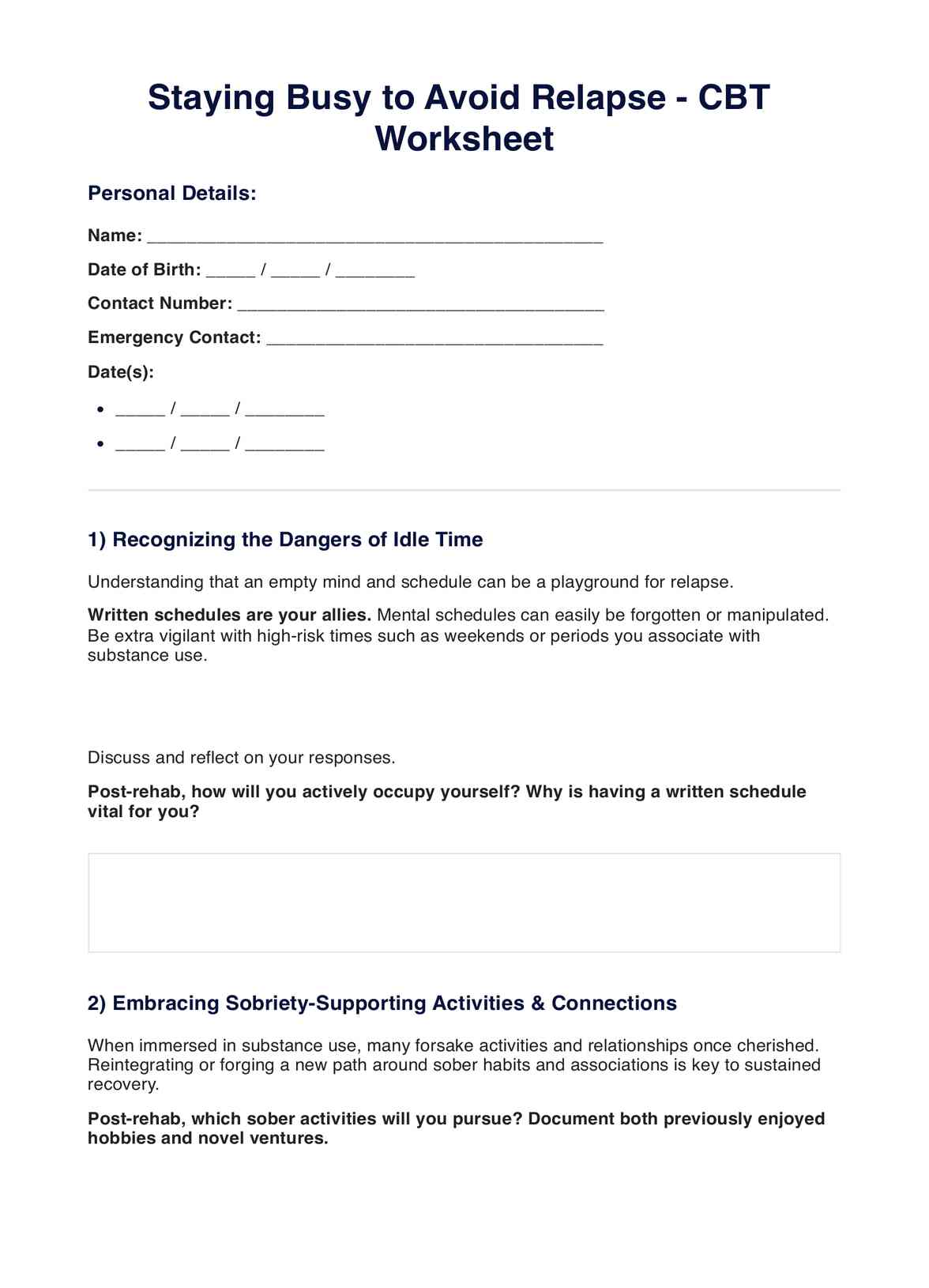
With substance abuse, CBT plays a pivotal role. It offers a structured and goal-oriented approach that assists individuals in managing their addiction-related challenges. It equips individuals with coping skills for handling different problems, focusing on how thoughts, beliefs, and attitudes affect feelings and actions.
Specifically for those grappling with substance abuse, CBT is especially beneficial as it provides the necessary tools to alter thought patterns leading to harmful behaviors, such as substance use.
Professionals can effectively track and manage their patients' progress by integrating in healthcare. This approach allows for secure patient data storage and facilitates easy information sharing among healthcare teams, making it a vital tool in combating substance abuse.









